BMW N55 Engine: 3.0L Turbo Complete Technical Guide
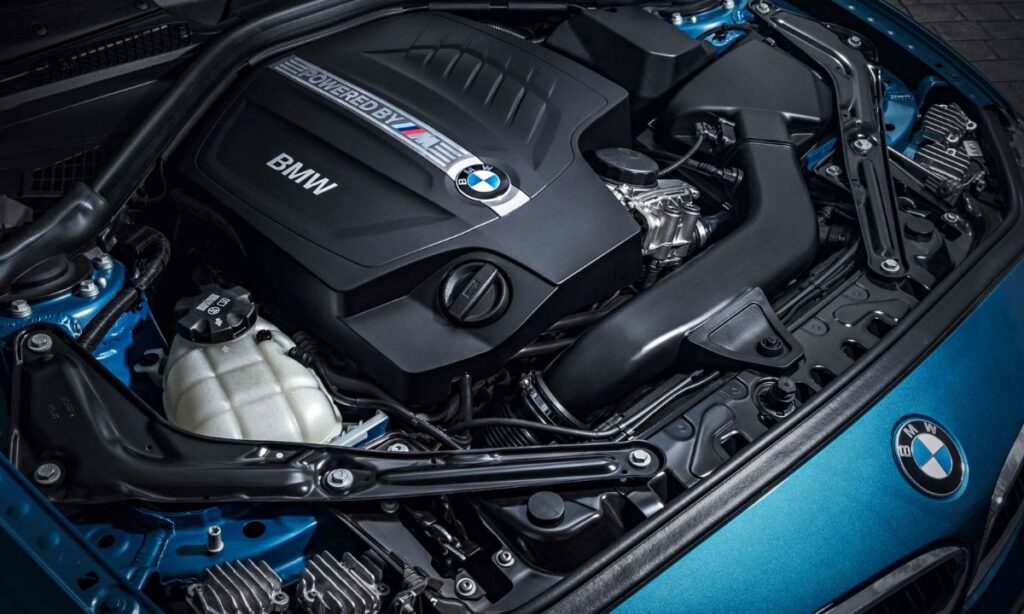
The BMW N55 is a 3.0-litre inline-six turbocharged petrol engine that represented a major step forward in BMW’s powertrain development when it was introduced in 2009. As the direct successor to the twin-turbocharged N54, the N55 simplified the forced induction system by adopting a single twin-scroll turbocharger while retaining the core architecture that made the N54 so celebrated. This engine became the backbone of BMW’s mid-range performance lineup for nearly a decade, powering everything from the 1 Series to the X6 M50i. Its combination of Valvetronic variable valve lift, Double-VANOS variable camshaft timing, direct injection, and a Borg Warner twin-scroll turbocharger made it one of the most technically advanced production engines of its era.
N55 Engine Specifications by Year and Variant
- Displacement: 2,979 cc (3.0 litres)
- Configuration: Inline-6 (B6) cylinder layout
- Bore x Stroke: 84.0 mm x 89.6 mm
- Compression Ratio: 10.2:1
- Valvetrain: DOHC, 24 valves, Valvetronic + Double-VANOS
- Fuel System: High-pressure direct injection (HPI), up to 200 bar
- Turbocharger: Single Borg Warner twin-scroll turbo (replaces N54 twin-turbo setup)
- Max Boost Pressure: approximately 14.5 psi (1.0 bar) standard
- Standard Output (135i / 335i / 535i): 306 hp (225 kW) at 5,800 rpm, 400 Nm torque from 1,200–5,000 rpm
- N55 in F10 535i (2010–2016): 306 hp, 400 Nm
- N55 in F30 335i (2012–2015): 306 hp, 400 Nm
- N55 in M135i / M235i (2012–2016): 320 hp (235 kW), 450 Nm
- N55 in Z4 sDrive35i (2009–2016): 306 hp, 400 Nm
- N55HP (high performance variant in M2, 1M Coupe): 370–380 hp depending on tune, 465–500 Nm
- Engine Weight: approximately 185 kg (dry)
- Oil Capacity: 6.5 litres with filter change
- Recommended Oil: BMW Longlife-01 or LL-04 5W-30 full synthetic
- Oil Change Interval: BMW Condition Based Service (CBS), typically 15,000–20,000 km or 1 year
- Coolant Capacity: approximately 8.5 litres
- Engine Management: Bosch MEVD17.2 ECU
Key Technologies in the N55
- Valvetronic III: Third generation variable valve lift system eliminating the conventional throttle butterfly for part-load operation, reducing pumping losses and improving fuel economy by up to 10%
- Double-VANOS: Continuously variable camshaft timing on both intake and exhaust camshafts, optimising torque across the rev range
- Twin-scroll turbocharger: Separates exhaust pulses from cylinder pairs (1-2-3 and 4-5-6) for faster spool-up and reduced turbo lag versus conventional single-scroll designs
- High Precision Injection (HPI): Piezoelectric injectors capable of multiple injections per cycle at up to 200 bar pressure
- Integrated exhaust manifold: Cast into the cylinder head to reduce thermal mass and improve catalytic converter light-off times
- Charge air cooling: Air-to-air intercooler mounted in the front bumper assembly
Common N55 Engine Problems and Failure Points
- High-pressure fuel pump (HPFP) failure: Causes rough idle, misfires, and hard starts; symptoms include long crank times and fault codes 2FBB/2FBC; updated pump (part 13517616170) resolves most issues
- Oil filter housing gasket leak: Very common on all N55 engines; oil seeps onto the block below the filter housing; replacement requires draining coolant and removing the housing completely
- Valve cover and valve cover gasket oil leak: Develops over time due to heat cycling; symptoms are burning oil smell and visible oil on spark plug wells
- Charge pipe and boost hose failures: The plastic OEM charge pipe between the intercooler and throttle body is prone to cracking under boost; upgraded aluminium replacements are strongly recommended
- Wastegate rattle: Borg Warner BV35 wastegate actuator arm develops play causing a distinct rattle on cold start between 1,000–2,000 rpm; Genuine BMW updated actuator (part 11657626350) is the fix
- Water pump failure: Electric water pump (EWP) controlled by the DME is a known weak point; failure causes overheating and fault code 2E83; replacement interval recommended at 80,000–100,000 km
- Thermostat failure: Map-controlled thermostat fails open or stuck, causing below-normal operating temperatures and increased fuel consumption; fault code 2E87
- Rod bearing wear: Less severe than N54 but still a concern on high-mileage engines; ACL or King bearing upgrades recommended at 100,000 km on performance builds
- Carbon buildup on intake valves: Direct injection means no detergent fuel washing intake valves; walnut blasting recommended every 50,000–80,000 km
- VANOS solenoid and hub wear: Causes rattling on cold start and timing-related fault codes (2A82, 2A87); solenoid cleaning or replacement resolves most cases
N55 Tuning and Performance Potential
- Stage 1 ECU tune (no hardware modifications): 380–400 hp and 550–580 Nm on 98 RON fuel
- Stage 2 (downpipe + charge pipe + intercooler upgrade): 420–450 hp achievable
- Stage 3 (upgraded turbo such as MHD Stage 3 or Vargas VTT G25-550): 500–600+ hp possible on E30 or E50 ethanol blend
- MHD Flasher compatibility: The N55 is fully supported by MHD for OTS (off-the-shelf) and custom maps via the OBD port
- Fuel system: Port injection (PI) kit addition strongly recommended above 450 hp to supplement direct injection at high load
- Transmission limits: ZF 8HP (8-speed auto) handles Stage 2 reliably; 6-speed Getrag manual in M2/1M handles higher torque with clutch upgrade
N55 Vehicles and Applications
- E82 1M Coupe (2011): N55HP, 340 hp
- E89 Z4 sDrive35i (2009–2016): N55, 306 hp
- F10 535i (2010–2016): N55, 306 hp
- F06/F12/F13 640i (2011–2018): N55, 320 hp
- F20 M135i (2012–2016): N55, 320 hp
- F22 M235i (2014–2016): N55, 326 hp
- F30 335i (2012–2015): N55, 306 hp
- F32 435i (2013–2016): N55, 306 hp
- F87 M2 (2016–2018): N55HP, 370 hp
- F25 X3 xDrive35i: N55, 306 hp
- F15 X5 xDrive35i: N55, 306 hp