Toyota 4Runner N280 2009+ Fuses: Complete Guide
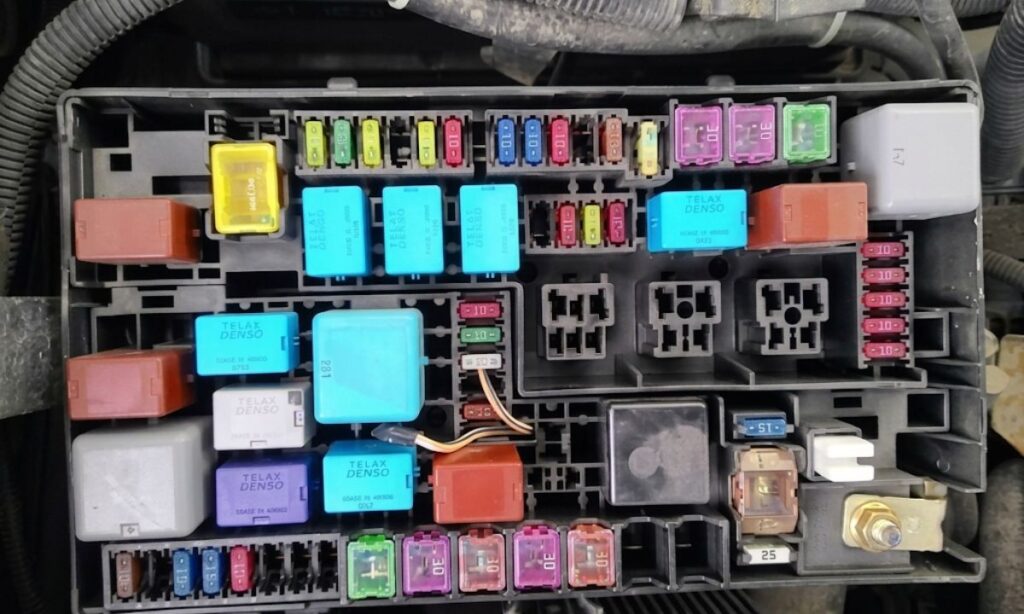
The Toyota 4Runner N280, produced from 2009 onwards, uses multiple fuse boxes to protect its electrical systems. Knowing the exact location, amperage, and function of every fuse is essential for diagnosing electrical faults, replacing blown components, and avoiding costly dealer visits. This guide covers every fuse in every box of the 5th generation 4Runner, including the engine compartment fuse block, the instrument panel fuse block, and the rear cargo area fuse block.
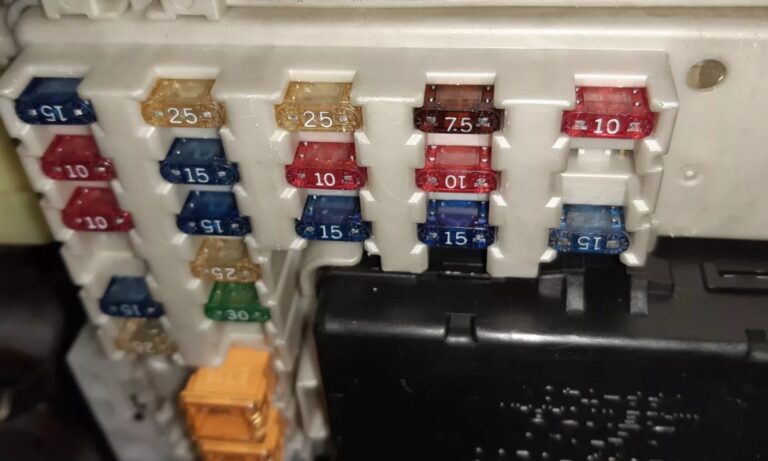
Fuse Box Locations on the Toyota 4Runner N280
The 4Runner N280 has three main fuse and relay centers:
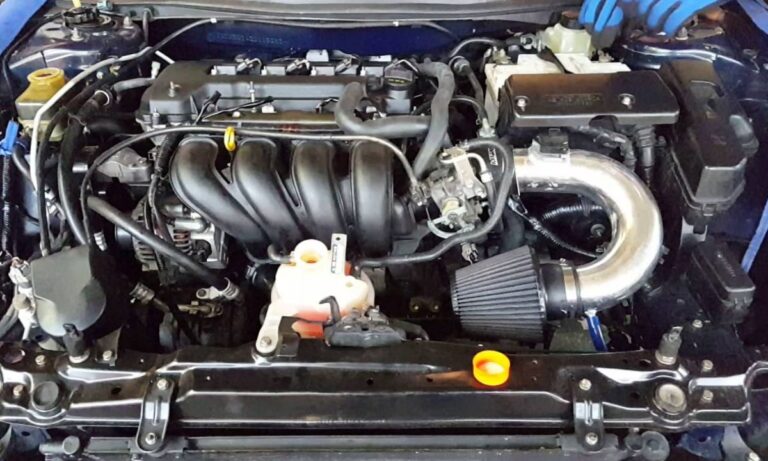
- Engine Compartment Fuse Block – located on the left side of the engine bay, near the battery
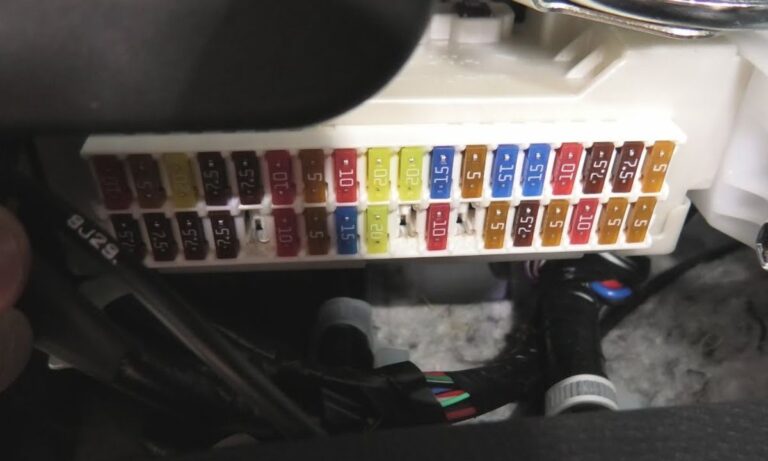
- Instrument Panel Fuse Block – located under the driver’s side dashboard, behind a removable cover
- Rear Junction Block – located in the rear cargo area, behind the left side trim panel
Engine Compartment Fuse Block – Complete Fuse List
- Fuse 1 – 120A – EFI No.1 – Main engine fuel injection system
- Fuse 2 – 80A – Ignition – Ignition switch main feed
- Fuse 3 – 60A – ALT – Alternator charge circuit
- Fuse 4 – 40A – Cooling Fan – Engine radiator cooling fan motor
- Fuse 5 – 30A – A/C – Air conditioning compressor and related components
- Fuse 6 – 30A – ABS No.1 – Anti-lock braking system pump motor
- Fuse 7 – 30A – ABS No.2 – ABS actuator solenoid and control
- Fuse 8 – 30A – AM1 – Battery direct feed to main relay block
- Fuse 9 – 20A – EFI No.2 – Fuel injectors and ECM secondary feed
- Fuse 10 – 20A – EFI No.3 – Throttle body, sensors, and fuel pump relay
- Fuse 11 – 15A – HTR – Oxygen sensor heaters
- Fuse 12 – 15A – ETCS – Electronic throttle control system
- Fuse 13 – 10A – ECU-IG – Engine control unit ignition feed
- Fuse 14 – 10A – ECU-B – ECM battery backup and memory
- Fuse 15 – 10A – ST – Starter motor relay circuit
- Fuse 16 – 10A – HORN – Horn relay and horn circuit
- Fuse 17 – 10A – VSC – Vehicle stability control module
- Fuse 18 – 10A – 4WD – Four-wheel drive transfer case actuator and control
- Fuse 19 – 10A – KDSS – Kinetic dynamic suspension system (if equipped)
- Fuse 20 – 10A – TRAC – Traction control system
- Fuse 21 – 10A – DRAIN – Drain circuit for capacitors and ECU
Instrument Panel Fuse Block – Complete Fuse List
- Fuse 1 – 30A – PWR OUTLET – Power outlet (cigarette lighter and 12V accessories)
- Fuse 2 – 25A – DEF – Rear window defogger
- Fuse 3 – 20A – WIPER – Front windshield wiper motor
- Fuse 4 – 20A – TURN-HAZ – Turn signal and hazard warning lights
- Fuse 5 – 20A – AM2 – Accessory bus, secondary battery feed
- Fuse 6 – 15A – STOP – Brake light switch circuit
- Fuse 7 – 15A – DOME – Interior dome and courtesy lights
- Fuse 8 – 15A – GAUGE – Instrument cluster, fuel gauge, speedometer
- Fuse 9 – 15A – OBD – OBD-II diagnostic port and related modules
- Fuse 10 – 15A – RAD NO.1 – Radio and audio head unit primary feed
- Fuse 11 – 15A – RAD NO.2 – Amplifier and rear audio system
- Fuse 12 – 10A – ACC – Accessory relay, key-on accessories
- Fuse 13 – 10A – IGNITION – Ignition-switched accessories
- Fuse 14 – 10A – MIRROR – Power door mirror adjustment motors
- Fuse 15 – 10A – ECU-IG2 – Secondary ECU ignition feed
- Fuse 16 – 10A – SEAT HTR – Heated seat modules and switches (if equipped)
- Fuse 17 – 10A – BACK-UP – Reverse light circuit and backup camera
- Fuse 18 – 10A – CRUISE – Cruise control actuator and switch
- Fuse 19 – 10A – A/BAG – Supplemental restraint system (airbag) ECU
- Fuse 20 – 10A – 4WD SW – Transfer case shift switch and indicator
- Fuse 21 – 7.5A – KEY – Ignition key warning buzzer and transponder
- Fuse 22 – 7.5A – DOOR LOCK – Power door lock actuators
- Fuse 23 – 7.5A – PARKING – Parking light relay and circuit
- Fuse 24 – 7.5A – TAIL – Tail lights and license plate lights
- Fuse 25 – 7.5A – CIG – Secondary cigarette lighter / 12V socket
Rear Junction Block – Complete Fuse List
- Fuse 1 – 30A – REAR WIPER – Rear windshield wiper motor
- Fuse 2 – 20A – PWR REAR WINDOW – Power rear quarter windows (if equipped)
- Fuse 3 – 15A – REAR HTR – Rear heater blower motor and controls
- Fuse 4 – 15A – CARGO – Cargo area lights and rear accessory socket
- Fuse 5 – 10A – REAR DEF – Rear defroster relay control
- Fuse 6 – 10A – TRAILER – Trailer hitch wiring harness circuit (if equipped)
Common Blown Fuse Symptoms on the 4Runner N280
- No power to OBD-II port – Check fuse 9 (OBD) in the instrument panel block
- Radio not working – Check RAD NO.1 and RAD NO.2 fuses in instrument panel block
- Rear wiper inoperative – Check the REAR WIPER fuse in the rear junction block
- 4WD not engaging – Check the 4WD and 4WD SW fuses in both fuse blocks
- Brake lights out – Check the STOP fuse (15A) in instrument panel block
- Airbag warning light – Check the A/BAG fuse before scanning for codes
Important Notes for Fuse Replacement
- Always use Toyota-specified blade fuses of the exact amperage rating; never substitute a higher-rated fuse
- Before replacing any fuse, turn off the ignition and disconnect accessories to prevent arc damage
- If a fuse blows repeatedly, there is an underlying short circuit – replacing the fuse without finding the root cause risks fire or module damage
- The N280 4Runner uses standard blade (ATC/ATO), mini blade (ATM), and maxi blade (APX) fuse types depending on the circuit
- Spare fuses are located inside the instrument panel fuse block cover in a dedicated storage tray
- Always consult the fuse box diagram printed on the inside of the fuse cover as production changes may vary by market and model year