Honda Civic 10th Gen Fuses: Complete Guide 2016-2021
The 10th generation Honda Civic (2016-2021) uses a multi-box fuse and relay system to protect its electrical circuits. Whether you’re dealing with a blown fuse causing a dead power outlet, a malfunctioning radio, or a failed starter circuit, understanding the exact fuse layout of your Civic is essential for fast, accurate diagnosis and repair. This guide covers every fuse in every box, including amperage ratings and precise circuit functions, sourced directly from OEM documentation for the FC/FK chassis.
Fuse Box Locations on the 10th Gen Honda Civic
The 2016-2021 Honda Civic has three main fuse/relay locations:
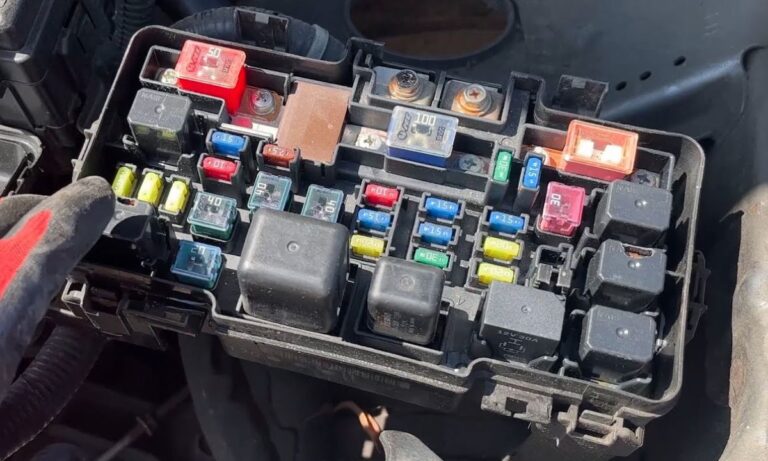
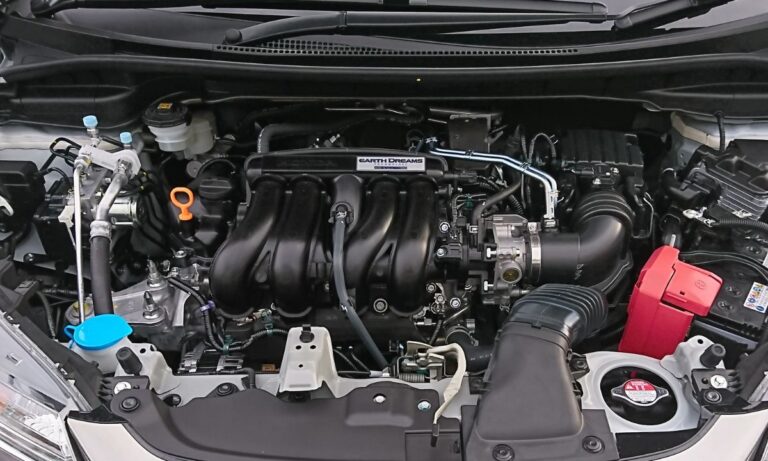
- Under-Hood Fuse Box (Engine Compartment) – located near the battery on the driver’s side
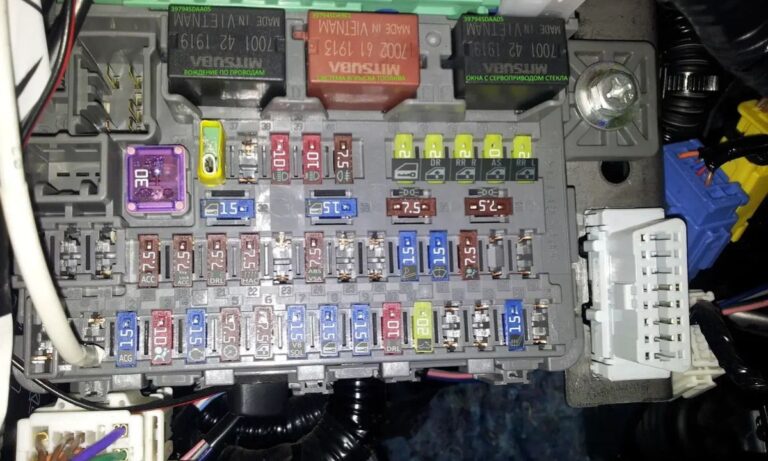
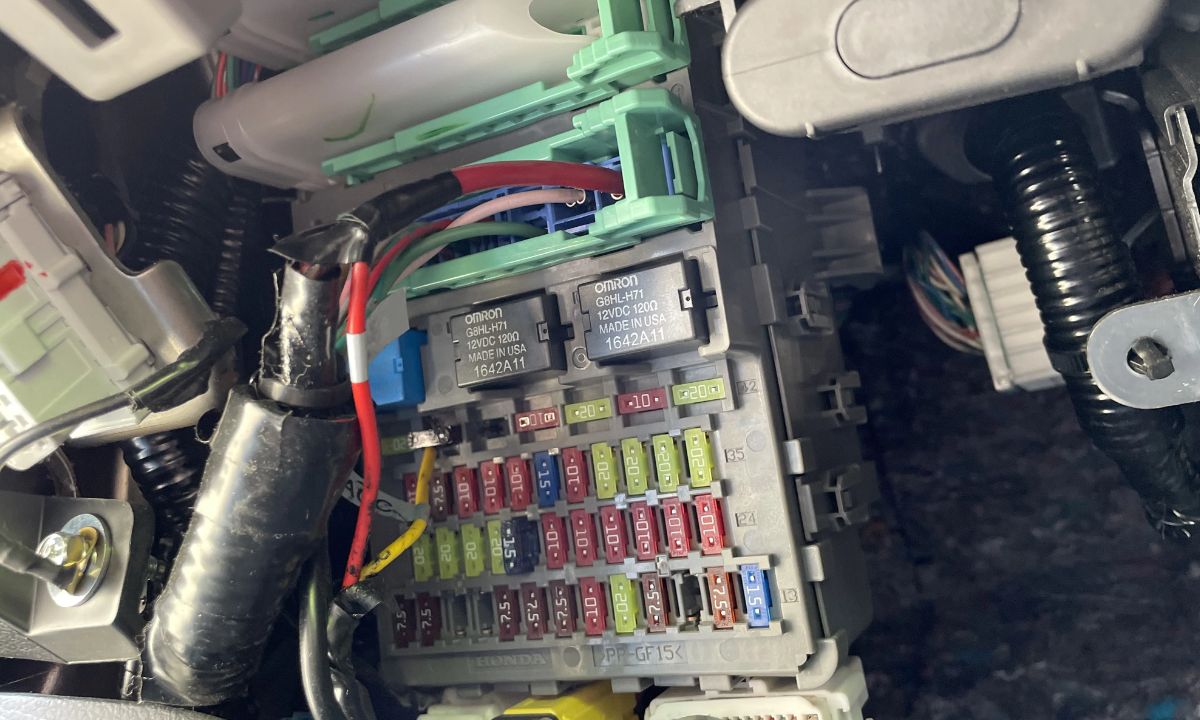
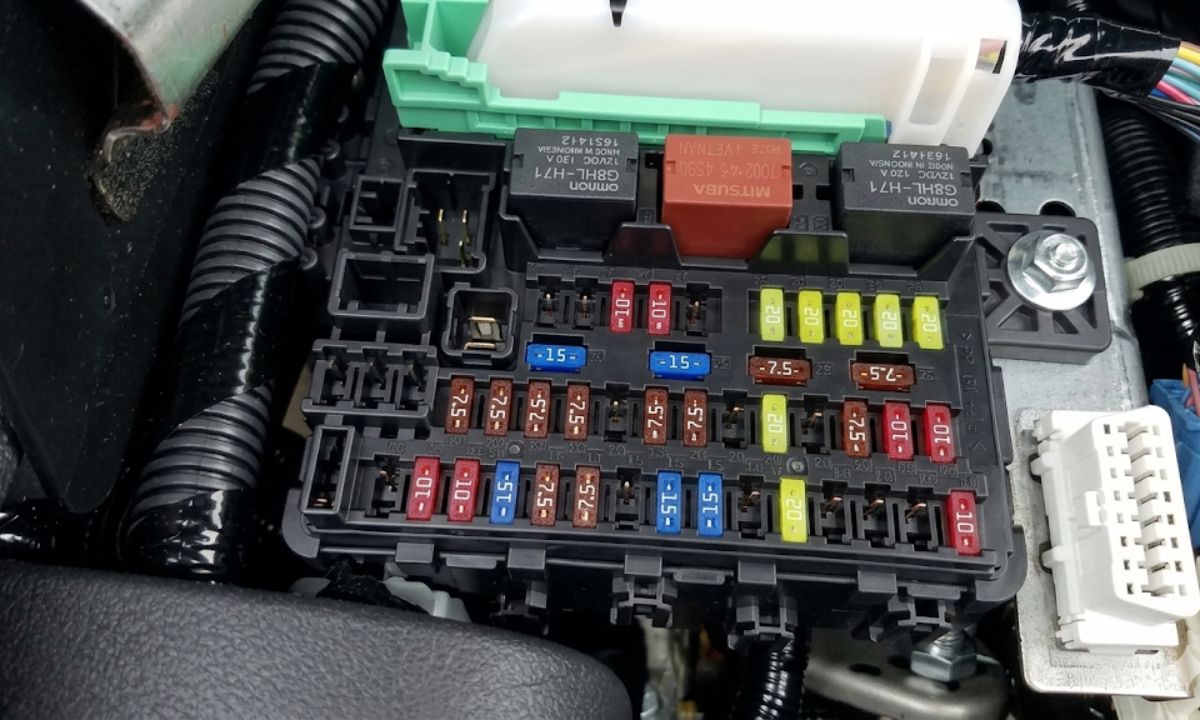
- Under-Dash Fuse Box (Driver’s Side) – behind the lower dashboard panel, left of the steering column
- Auxiliary Under-Hood Box – integrated within or adjacent to the main engine fuse block depending on trim and market
Under-Hood Fuse Box – Full Fuse List
- 1 – 120A – Battery (Main)
- 2 – 80A – Alternator
- 3 – 50A – ABS/VSA Motor
- 4 – 40A – ABS/VSA Solenoid
- 5 – 40A – Blower Motor
- 6 – 30A – Power Steering (EPS)
- 7 – 30A – Starter
- 8 – 30A – Radiator Fan (High)
- 9 – 20A – Ignition Switch
- 10 – 20A – ACG (Alternator/Charging)
- 11 – 20A – Cooling Fan (Low)
- 12 – 15A – Fuel Pump
- 13 – 15A – Engine Control Module (ECM)
- 14 – 15A – Multiport Fuel Injection (MFI)
- 15 – 10A – Main Relay
- 16 – 10A – EVAP Canister
- 17 – 10A – EGR / Purge Control
- 18 – 10A – Horn
- 19 – 10A – Headlight (High Beam Left)
- 20 – 10A – Headlight (High Beam Right)
- 21 – 10A – Headlight (Low Beam Left)
- 22 – 10A – Headlight (Low Beam Right)
- 23 – 10A – Daytime Running Lights (DRL)
- 24 – 10A – Backup Lights / Transmission Range Switch
- 25 – 10A – A/C Compressor Clutch
- 26 – 10A – Radiator Fan Relay Control
- 27 – 7.5A – ABS/VSA Control Unit
- 28 – 7.5A – SRS (Airbag) Unit
- 29 – 7.5A – Rear Wiper Motor (Hatchback)
- 30 – 7.5A – Vehicle Stability Assist Sensor
Under-Dash Fuse Box – Full Fuse List
- 1 – 40A – Power Windows Main
- 2 – 30A – Rear Window Defogger
- 3 – 20A – Cigarette Lighter / Accessory Socket (Front)
- 4 – 20A – Audio Unit / Infotainment
- 5 – 20A – Seat Heater (if equipped)
- 6 – 15A – Instrument Panel / Gauges
- 7 – 15A – Interior Lights / Dome Light
- 8 – 15A – Turn Signal / Hazard
- 9 – 15A – Brake Lights
- 10 – 15A – Wiper / Washer System
- 11 – 15A – Driver Power Window
- 12 – 15A – Passenger Power Window
- 13 – 15A – Rear Power Windows
- 14 – 15A – Door Locks
- 15 – 15A – Honda Sensing (CMBS / LKAS)
- 16 – 10A – Keyless Entry / Smart Entry
- 17 – 10A – Climate Control Unit
- 18 – 10A – OBD-II / Diagnostic Port
- 19 – 10A – Backup Camera
- 20 – 10A – Sunroof / Moonroof Motor (if equipped)
- 21 – 10A – USB Charging Port (Front)
- 22 – 10A – USB Charging Port (Rear, if equipped)
- 23 – 10A – Lane Watch Camera (if equipped)
- 24 – 10A – Hill Start Assist
- 25 – 10A – CVT / Transmission Control Unit
- 26 – 7.5A – Tachometer / Speedometer (Combination Meter)
- 27 – 7.5A – TPMS (Tire Pressure Monitoring System)
- 28 – 7.5A – Fuel Level Sender
- 29 – 7.5A – Radio / Clock Memory (constant power)
- 30 – 7.5A – Anti-Theft / Immobilizer
- 31 – 7.5A – Turn Signal Indicator (Meter)
- 32 – 7.5A – Courtesy Lights (Door-triggered)
Fuse Types Used in the 10th Gen Civic
- JCASE (box-type, high amperage) – used for 40A–120A circuits in the engine compartment
- Regular blade (ATC/ATO) – standard medium and low amperage fuses throughout
- Mini blade (ATM) – 7.5A–15A circuits in the under-dash box
Common Blown Fuse Symptoms by Circuit
- Fuse 3 (Under-Dash, 20A) – Dead 12V accessory socket, phone charger not working
- Fuse 4 (Under-Dash, 20A) – No audio, blank infotainment screen
- Fuse 9 (Under-Dash, 15A) – Brake lights not functioning, safety hazard
- Fuse 12 (Engine, 15A) – No start, engine cranks but won’t fire, stalling
- Fuse 15 (Under-Dash, 10A) – Honda Sensing system disabled, CMBS warning light
- Fuse 27 (Under-Dash, 7.5A) – TPMS warning light, no tire pressure readings
- Fuse 6 (Engine, 30A) – Electric power steering failure, heavy steering effort
Important Notes for 10th Gen Civic Fuse Replacement
- Always replace a fuse with the exact same amperage – never use a higher-rated fuse as a substitute
- A fuse puller tool is located inside the under-dash fuse box lid
- Spare fuses are provided in dedicated slots in both fuse boxes on most trims
- If a fuse blows repeatedly, a short circuit or overload exists in the affected circuit – do not simply keep replacing the fuse
- The 10th gen Civic uses a CAN-bus architecture; some modules may need a reset after fuse replacement
- Fuse layouts can vary slightly between Sedan, Coupe, Hatchback, and Si/Type R variants and between US, Canadian, and JDM market vehicles
- Always disconnect the negative battery terminal before accessing the under-hood fuse box for major repairs
- The Civic Type R (FK8) has an additional fuse allocation for its sport exhaust valve, adjustable dampers, and rev-match system