Fiat Coolant Type: What to Use and What to Avoid
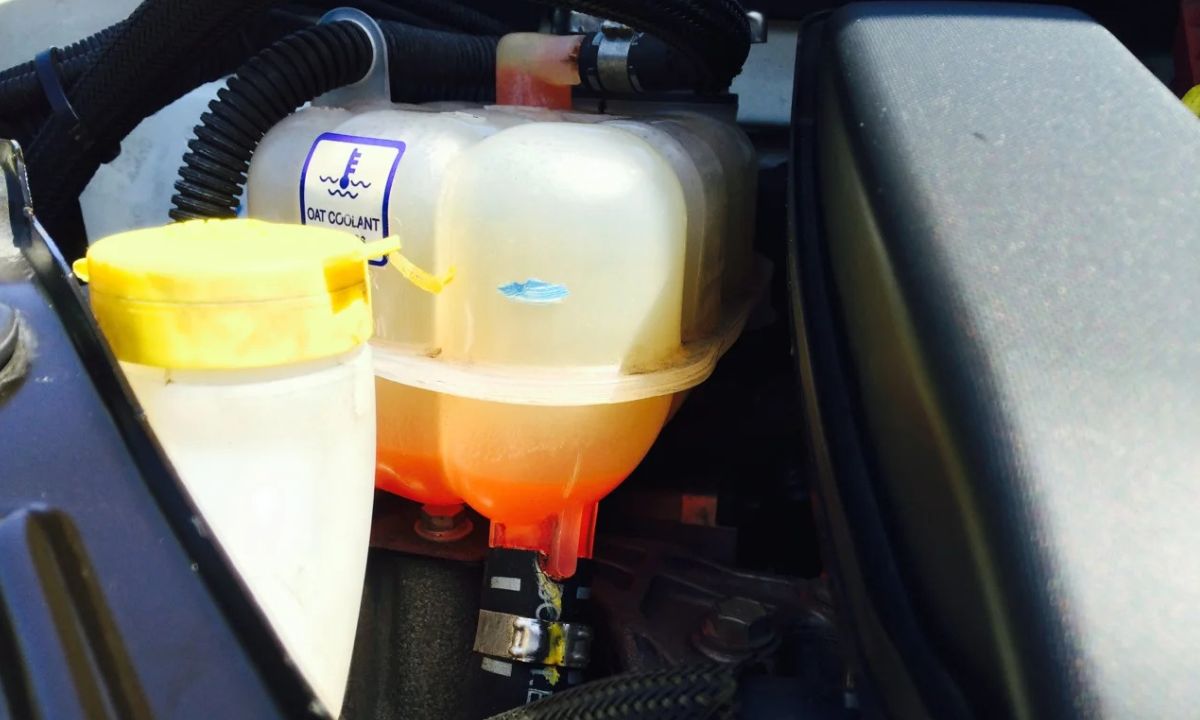
Fiat uses two distinct coolant systems depending on the market and model generation — and mixing them causes corrosion damage that is not immediately visible but shortens the life of the cooling system significantly. Getting the right type is more important than the brand. Here is what each Fiat model requires and why the distinction matters.
European Fiat Models — Paraflu System
European-market Fiats — Panda, Tipo, Punto, Bravo, and the Ducato van — use Paraflu-based coolant, developed by Petronas and specified by Fiat since the 1990s. Two versions exist and they are not interchangeable:
- Paraflu UP (red/pink) — OAT (Organic Additive Technology) coolant. Required for most post-2000 engines. Lasts up to 5 years or 250,000 km before replacement. This is the current standard for modern Fiat petrol and diesel engines including the 1.3 MultiJet, 1.4 Fire, and 1.6/2.0 MultiJet.
- Paraflu 11 (blue) — Silicate-based coolant. Used in older pre-2000 engines and some commercial vehicle applications. Shorter service life of approximately 2 years.
Do not mix Paraflu UP and Paraflu 11. The organic acids in OAT coolants react with silicate additives and form deposits that block coolant passages and damage the water pump seal. If the existing coolant colour is unclear, flush the system completely before refilling with the correct type.
The Ducato X250 (2006–2014) and X290 (2014+) both use Paraflu UP in the 2.3 MultiJet engine. Capacity is approximately 10–12 litres including the heater circuit — significantly more than passenger car models.
North American Fiat Models — OAT MS.90032 System
Fiat models sold in North America — the 500, 500L, 500X, and 124 Spider — use a different OAT coolant conforming to FCA/Stellantis Material Standard MS.90032. This is the same specification used across Chrysler, Dodge, and Jeep vehicles.
The factory fill is a purple/violet OAT coolant. Earlier production models (2012–2013) were filled with an orange-pink Paraflu-derived product at the factory, but this was superseded to the purple FCA coolant in subsequent years. The two are both OAT-based but should not be mixed — drain and flush before switching between them.
The correct coolant for North American models:
- MOPAR Antifreeze/Coolant 10 Year / 150,000 Mile Formula OAT, meeting MS.90032
- Any aftermarket OAT coolant explicitly stating MS.90032 compliance
- Do not use HOAT (Hybrid OAT) coolants — these are the older pink coolants common on earlier Chrysler products and are incompatible with the OAT system
Capacity on the 1.4L engine in the Fiat 500 and 500L is approximately 5.2 litres including the heater core and reservoir.
What Happens If You Use the Wrong Coolant
Using a silicate-based coolant (blue, green, or generic) in a Fiat requiring OAT causes accelerated corrosion of aluminium components — particularly the radiator end tanks and the water pump impeller. The damage is not immediate and does not trigger a warning light. It becomes visible only when the cooling system begins to leak or overheat, typically 30,000–50,000 km after the incorrect fluid was introduced.
Using propylene glycol-based coolant is not recommended on any Fiat model. Fiat’s owner manuals explicitly state this. Propylene glycol-based products are sold as non-toxic alternatives in some markets but do not meet the corrosion protection requirements of Fiat’s cooling system specifications.
Mixing Ratio and Change Intervals
For both European and North American systems, the recommended pre-mixed ratio is 50/50 antifreeze to distilled water. This provides freeze protection to approximately −36°C and adequate boil-over protection. Do not use tap water — the mineral content accelerates deposit formation inside the coolant passages.
Change intervals:
- Paraflu UP: every 5 years or 250,000 km, whichever comes first
- FCA OAT (MS.90032): every 10 years or 150,000 miles under normal conditions — though many independent mechanics recommend 5-year intervals in practice
- Paraflu 11 (older models): every 2 years regardless of mileage
If the coolant in the reservoir appears brown, contains visible sediment, or has an oily film on the surface, flush and replace regardless of the interval — contamination from a head gasket leak or internal corrosion requires immediate attention.