Buying a Used Car: What to Check Before You Hand Over the Money
Most used car mistakes happen in the first ten minutes — or the ten minutes that buyers skip entirely. A car that looks clean and drives acceptably on a short test route can hide frame damage, flood history, or a transmission that is three months from failure. The inspection process exists precisely because sellers have every incentive to present problems as non-issues. Working through the right checks in the right order changes the dynamic entirely.
Start Before You See the Car
The VIN is the most useful tool a buyer has, and it costs nothing to use. Pull a history report through Carfax or AutoCheck before arranging a viewing. A clean report is encouraging but not a guarantee — private accidents and unreported damage won’t appear. A report with red flags, however, is a firm reason to walk away before wasting time.
Check the report specifically for:
- Salvage, rebuilt, or flood title branding
- Odometer rollback flags or mileage inconsistencies
- Number of previous owners and ownership duration
- Accident records and airbag deployments
- Title transfers from hurricane-affected states or regions
Match the VIN on the report to the VIN plate on the dashboard and the door jamb sticker. If they don’t match, stop the inspection immediately.
Exterior: What the Paint and Panels Tell You
Inspect the car in daylight. Rain hides scratches, and artificial lighting flattens surface defects that are obvious in natural light. Walk the full perimeter and look at panel gaps from the front, rear, and side angles simultaneously — inconsistent gaps between doors, fenders, and the hood indicate panel replacement after a collision.
Run a finger along body lines and feel for texture changes between panels. Repainted sections often have slightly different orange peel texture than factory paint. Bring a small magnet and test suspicious flat panels — body filler won’t hold the magnet the way steel does.
Check underneath the wheel arches, along the door sills, and at the base of the A and B pillars for rust. Surface rust on brake rotors or the exhaust is normal. Structural rust on frame rails or floor pans is a reason to walk.
Under the Hood
Look at the engine bay before starting the car. A freshly steam-cleaned engine compartment on an otherwise dirty car sometimes means someone is hiding leaks. Check fluid levels and conditions directly:
- Engine oil on the dipstick should be amber to dark brown — black and gritty means overdue changes
- Coolant in the reservoir should be green, orange, or pink depending on type — never brown or oily
- Power steering and brake fluid should be at the marked levels with no visible contamination
- Transmission fluid, where accessible, should be pink or red — a burnt smell means problems
Look for oil residue around valve covers, the oil pan, and where hoses connect to the engine block. Minor seepage is common on older vehicles. Active drips or heavy buildup suggest a repair that has been deferred.
Start the Engine Cold
Cold starts reveal problems that disappear once the engine warms up. Ask to inspect the car before the seller has driven it that day. Watch the exhaust on startup:
- White smoke that clears after a minute is condensation — normal in cold weather
- White smoke that continues means coolant is entering the combustion chamber
- Blue smoke indicates oil burning
- Black smoke points to a rich fuel mixture or injector issues
Listen for ticking, knocking, or rattling that settles as the engine warms. Some valve train noise is acceptable briefly at cold start. Knocking that persists after warm-up is a serious warning sign.
Transmission and Drivetrain on the Test Drive
A test drive route that only covers smooth straight roads tells you almost nothing. Plan to include a highway section, low-speed stop-and-go, and at least one hill. Pay attention to:
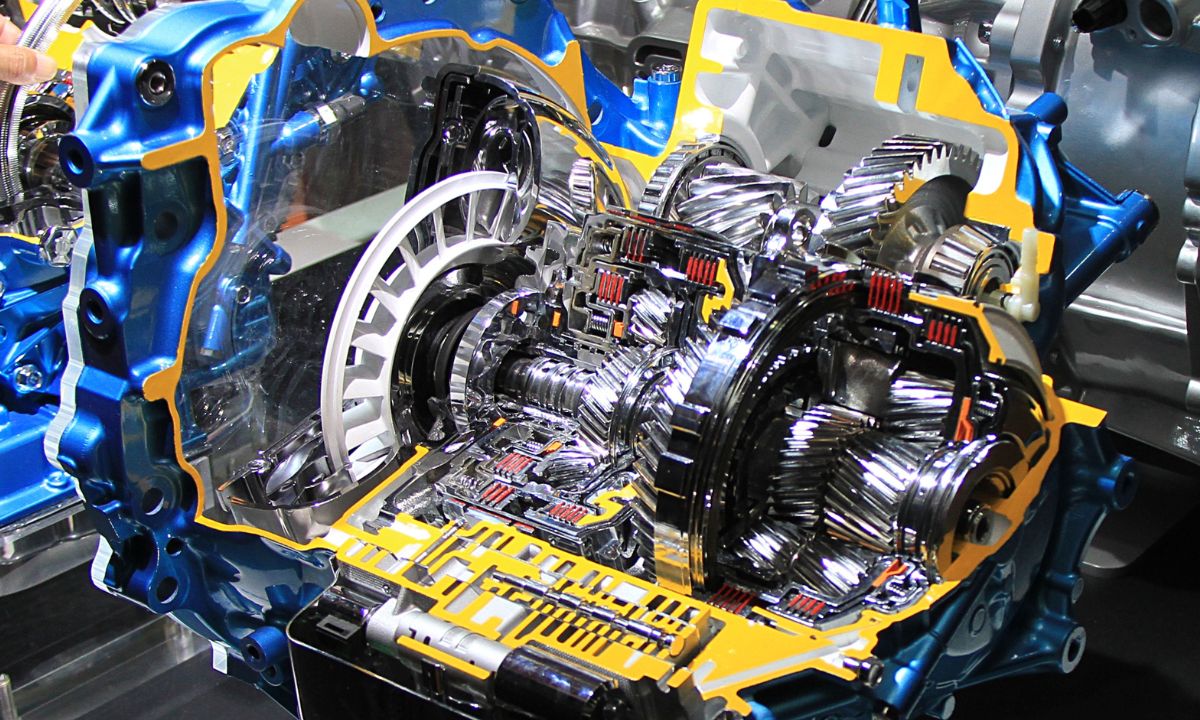
- Automatic gearbox shifts — they should be smooth and happen without hesitation or a jolt
- Any shudder during acceleration, especially between 40 and 60 mph, which often indicates a torque converter issue
- Pulling to one side under braking, which suggests uneven pad wear or a seized caliper
- Steering wheel vibration at highway speed — often wheel balance, but sometimes worn suspension
- Any clunking from the front end over bumps, which points to worn control arm bushings or ball joints
On manual transmission cars, feel for slipping between gears, difficulty engaging first or reverse, and a clutch pedal that grabs very high or very low in its travel.
Get a Pre-Purchase Inspection
Even if everything looks and feels acceptable, a pre-purchase inspection by an independent mechanic is worth every dollar. A professional with a lift can see the underside of the car, check brake thickness, inspect CV boots and axles, and identify fluid leaks that are invisible from above. Many shops complete this inspection for under $150 and it routinely uncovers problems that change either the negotiation or the decision entirely.
A seller who refuses to allow a pre-purchase inspection is telling you something. Reluctance to let a car be inspected is one of the most reliable signals that there is something to find.