
Check Engine Light on Land Rover: Causes, Error Code Decoding, and How to Fix It
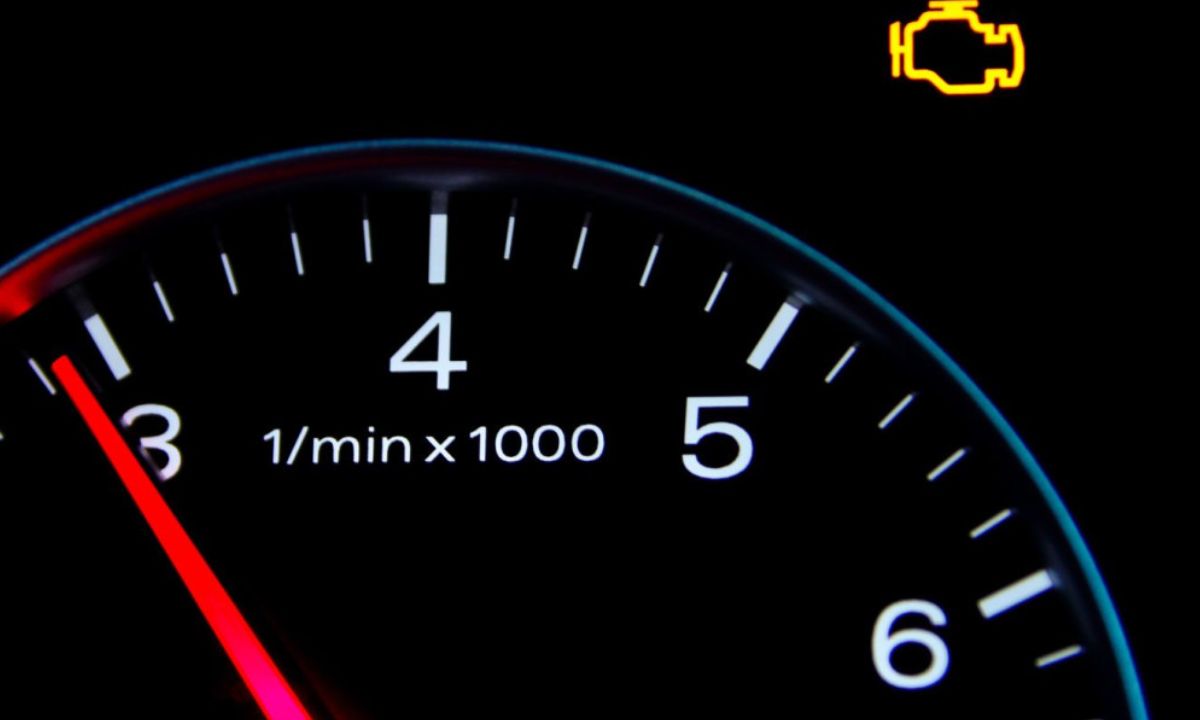
The check engine light on your Land Rover just came on — this is a signal that requires immediate attention, especially considering the complex design of these premium SUVs. Models such as Land Rover Range Rover, Discovery, Defender, Evoque, and Freelander are equipped with high-tech systems where even a minor fault can trigger the warning indicator. Timely diagnostics help preserve engine power, fuel efficiency, and the vehicle’s off-road capability. Many problems can be resolved relatively easily, while others require a professional approach. In this detailed guide, we’ll examine the reasons for the check engine light, the 20 most common error codes, and proven methods to fix them.
Why the Check Engine Light Comes On in a Land Rover
The electronic control unit in Land Rover vehicles constantly monitors all systems and activates the Check Engine light when it detects any deviations. On these cars, the warning is often related to the fuel system, ignition, sensors, or the complex exhaust gas treatment system. Range Rover and Discovery are sensitive to fuel quality and catalytic converter condition, while Defender and Evoque are more prone to sensor issues during off-road use. Sometimes simply checking the gas cap or clearing the code after a minor repair is enough. In other cases, professional OBD2 diagnostics are essential.
Common Causes of Check Engine Light on Land Rover
- Poor fuel quality leading to improper air-fuel mixture.
- Worn spark plugs or faulty ignition coils.
- Malfunctioning oxygen sensors and wideband sensors.
- Clogged or damaged catalytic converters.
- Loose gas cap.
- Dirty mass airflow sensor.
- Issues in the EVAP fuel vapor recovery system.
- Problems with the throttle body or EGR valve.
- Worn fuel injectors or high-pressure fuel pump.
Popular Land Rover Models and Their Typical Check Engine Issues
Land Rover Range Rover and Discovery frequently show errors related to catalytic converters and the EGR system at higher mileage. The Defender encounters problems due to strong vibrations and off-road use that affect wiring and sensors. Evoque and Freelander are more sensitive to spark plugs, oxygen sensors, and the EVAP system in mixed driving conditions. Regular high-quality maintenance on these models significantly reduces the risk of sudden warning light activation.
Decoding 20 Common Error Codes on Land Rover
Here is a list of the most frequent diagnostic trouble codes found on Land Rover vehicles, along with possible causes and repair methods:
- P0300 — Random/multiple cylinder misfire detected. Causes: spark plugs, coils, wiring. Fix: replace spark plugs and diagnose the ignition system.
- P0420 — Catalyst system efficiency below threshold (Bank 1). Causes: clogged catalytic converter. Fix: diagnose and replace if necessary.
- P0171 — System too lean (Bank 1). Causes: air leaks, faulty MAF sensor. Fix: inspect hoses and clean the sensor.
- P0442 — Small leak detected in EVAP system. Causes: cracked hoses. Fix: inspect and replace damaged parts.
- P0455 — Large leak detected in EVAP system. Causes: loose gas cap. Fix: tighten or replace the gas cap.
- P0128 — Coolant temperature below regulating temperature. Causes: faulty thermostat. Fix: replace the thermostat.
- P0135 — Oxygen sensor heater circuit malfunction (Bank 1, Sensor 1). Causes: wiring break. Fix: check wiring and replace the sensor.
- P0401 — Exhaust gas recirculation flow insufficient. Causes: heavy contamination. Fix: clean or replace the EGR valve.
- P0507 — Idle RPM higher than expected. Causes: dirty throttle body. Fix: professional cleaning.
- P0101 — Mass airflow sensor circuit range/performance problem. Causes: contamination or failure. Fix: clean or replace the sensor.
- P0113 — Intake air temperature sensor high input. Causes: damaged wiring. Fix: repair connections.
- P0201 — Injector circuit malfunction (Cylinder 1). Causes: open or short circuit. Fix: diagnose and repair.
- P0301 — Cylinder 1 misfire detected. Causes: faulty spark plug or coil. Fix: replace ignition components.
- P0430 — Catalyst system efficiency below threshold (Bank 2). Fix: similar to P0420.
- P0446 — EVAP vent control circuit malfunction. Causes: faulty purge valve. Fix: replace the valve.
- P0700 — Transmission control system malfunction. Causes: automatic transmission issues. Fix: full transmission diagnostics.
- P0138 — Oxygen sensor circuit high voltage (Bank 1, Sensor 2). Fix: replace the oxygen sensor.
- P0340 — Camshaft position sensor circuit malfunction. Fix: check and replace the sensor.
- P0403 — EGR control circuit malfunction. Fix: diagnose electrical wiring.
- P0562 — System voltage low. Causes: weak battery or alternator. Fix: check the charging system.
How to Fix Check Engine Light Issues on Land Rover
Start by connecting an OBD2 scanner and reading the exact error codes. On Range Rover and Discovery models, many issues are resolved by replacing spark plugs or cleaning sensors. For EVAP codes, always begin with checking the gas cap and hoses. If the light is flashing, stop driving immediately — this may indicate severe misfires that can damage the catalytic converters. Using high-quality fuel and timely filter replacement greatly reduces the chance of the check engine light appearing.
Maintenance Recommendations for Land Rover Vehicles
Follow the recommended service intervals, regularly check fluid levels, and inspect wiring condition. On Discovery and Defender models, periodic cleaning of the EGR valve and throttle body is especially beneficial. Do not delay diagnosis when the check engine light appears — early intervention preserves engine life and other expensive components. Proper care ensures maximum reliability and comfort when driving a Land Rover in any conditions.