Honda Accord 9th Gen Fuses: Complete Guide 2013-2017
The 9th generation Honda Accord (2013-2017) uses multiple fuse boxes to protect every electrical circuit in the vehicle. Understanding the exact location, amperage, and function of each fuse is essential for diagnosing electrical faults, replacing blown fuses correctly, and avoiding damage to sensitive electronics. This guide covers every fuse in every box, including the under-hood fuse box, the interior (cabin) fuse box, and the under-dash fuse box, for all variants including the 2.4L four-cylinder and 3.5L V6 engines, as well as sedan and coupe body styles.
Fuse Box Locations on the 9th Gen Honda Accord
The 2013-2017 Honda Accord has three primary fuse box locations:
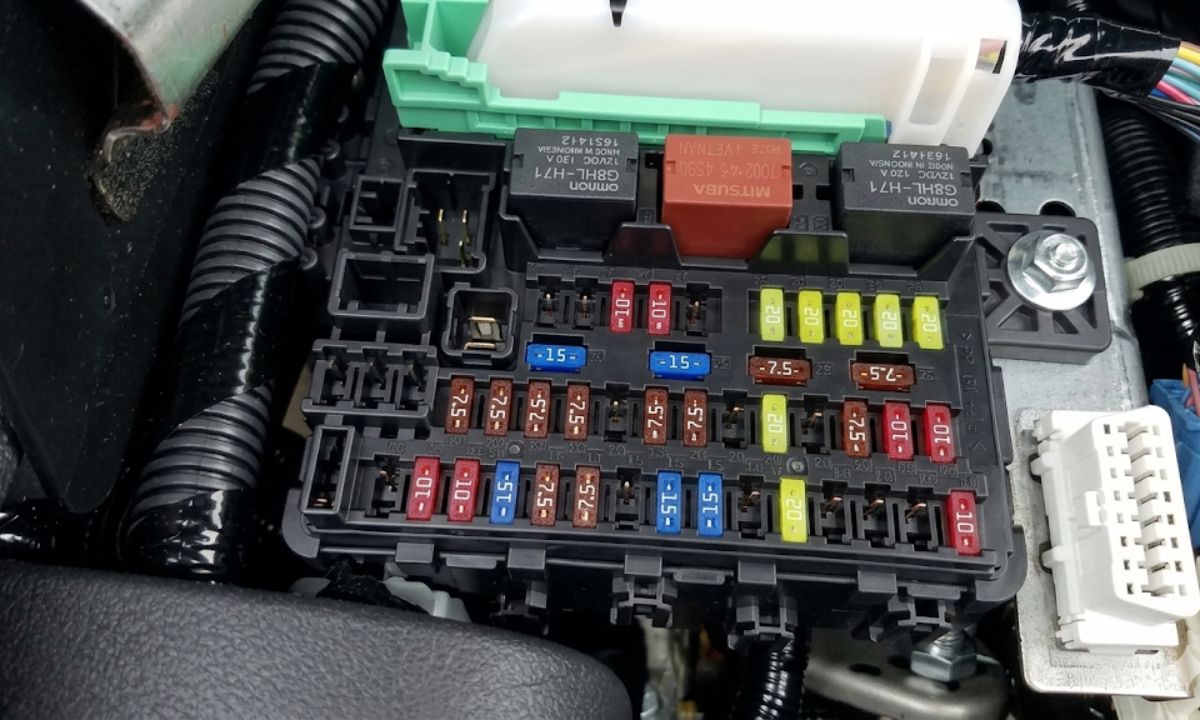
- Under-Hood Fuse Box (Engine Bay) – located on the driver’s side near the battery, contains high-amperage fuses and relays for major systems
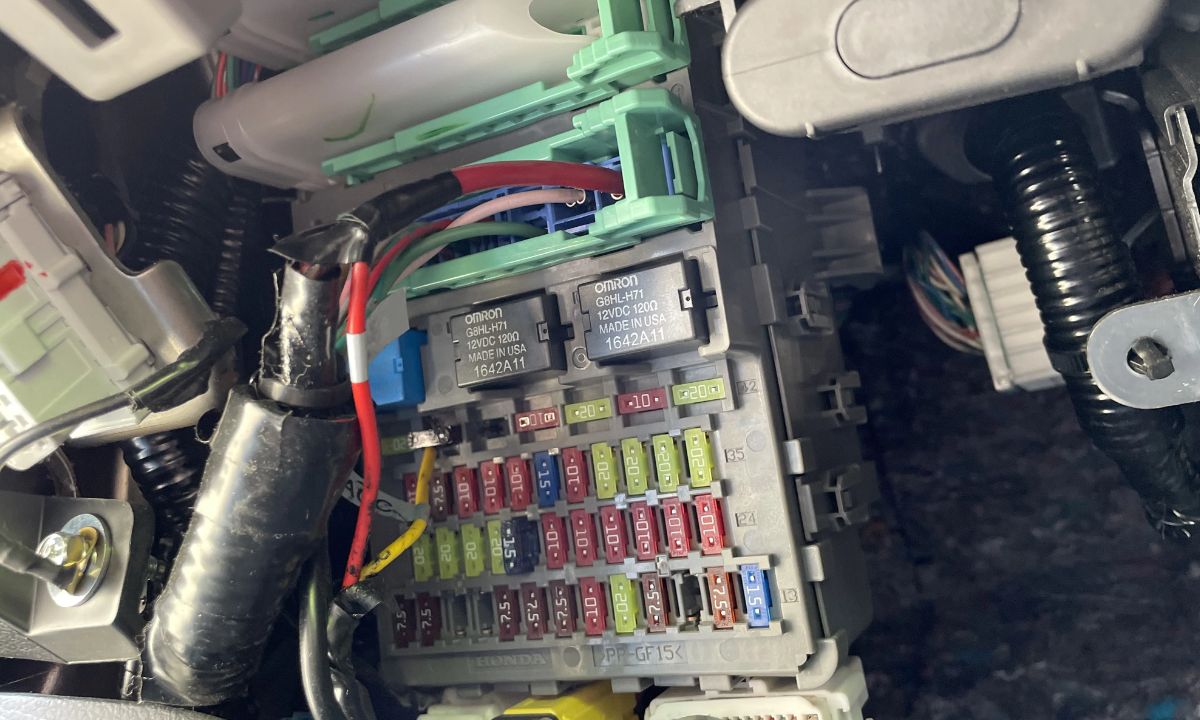
- Interior Fuse Box (Cabin / Under-Dash) – located on the driver’s side lower dash panel, behind a small cover, contains low-to-mid amperage fuses for interior electronics
- Small Engine Bay Relay/Fuse Block – secondary block near the main under-hood box for additional relay and fuse circuits
Under-Hood Fuse Box – Complete Fuse List
The engine bay fuse box on the 9th gen Accord contains large blade fuses and relays. The following is the complete layout:
- 1 – 120A – Main fuse (alternator protection)
- 2 – 80A – ABS motor
- 3 – 40A – Blower motor
- 4 – 40A – ABS solenoid
- 5 – 30A – Power windows
- 6 – 30A – Cooling fan (condenser)
- 7 – 30A – Rear defogger
- 8 – 20A – ELD / engine electrical load detector
- 9 – 20A – Ignition coils / engine management
- 10 – 20A – Fuel injectors
- 11 – 15A – Engine control module (ECM/PCM)
- 12 – 15A – Radiator fan relay control
- 13 – 10A – EVAP purge control solenoid
- 14 – 10A – Variable valve timing (VTC) solenoid
- 15 – 10A – Oxygen sensors / air-fuel ratio sensors
- 16 – 7.5A – Idle air control / throttle body
- 17 – 40A – Starter motor relay fuse
- 18 – 30A – Electric power steering (EPS) fuse
- 19 – 50A – Battery junction / ignition switch supply
- 20 – 40A – Transmission control module (CVT/automatic)
- 21 – 20A – Horn and accessories
- 22 – 15A – Backup sensors / parking assist (if equipped)
- 23 – 10A – Cruise control module
- 24 – 10A – Lane watch camera (if equipped, 2013-2015)
Interior (Cabin) Under-Dash Fuse Box – Complete Fuse List
The interior fuse panel is accessed by opening the driver’s door and pulling the lower dash trim panel away. It contains fuses numbered sequentially for interior and comfort systems:
- 1 – 7.5A – Instrument cluster / gauges
- 2 – 7.5A – Engine control module (ECM) backup power
- 3 – 7.5A – Immobilizer / theft deterrent
- 4 – 10A – Audio unit / radio
- 5 – 10A – Navigation system / display audio (if equipped)
- 6 – 10A – Bluetooth hands-free link (HFL)
- 7 – 15A – Power door locks (front)
- 8 – 15A – Power door locks (rear)
- 9 – 10A – Interior lighting / dome light
- 10 – 10A – Courtesy lights / map lights
- 11 – 10A – Trunk release / fuel door release solenoid
- 12 – 15A – Cigarette lighter / accessory outlet (front)
- 13 – 20A – Accessory power outlet (rear)
- 14 – 15A – Heated front seats (if equipped)
- 15 – 10A – Heated mirrors / steering wheel heat (if equipped)
- 16 – 10A – Sunroof / moonroof motor
- 17 – 20A – Power seat (driver, if equipped)
- 18 – 20A – Power seat (passenger, if equipped)
- 19 – 10A – Memory seat / mirror control module
- 20 – 7.5A – Climate control panel / HVAC controls
- 21 – 10A – Rear window defogger switch logic
- 22 – 10A – Combination switch (turn signals, wipers)
- 23 – 15A – Front wiper motor (high)
- 24 – 10A – Front wiper motor (low / park)
- 25 – 10A – Rear wiper motor (wagon/hybrid if applicable)
- 26 – 10A – Reverse lights / backup lights
- 27 – 15A – Brake lights
- 28 – 10A – Vehicle stability assist (VSA) indicator logic
- 29 – 7.5A – SRS airbag module
- 30 – 7.5A – TPMS module (tire pressure monitoring system)
- 31 – 10A – OBD2 / DLC diagnostic port
- 32 – 10A – Keyless entry / smart entry (if equipped)
- 33 – 15A – Charging system indicator / battery sensor
Common Blown Fuse Symptoms by Circuit
- Radio not working – Check fuse 4 (10A) in the interior box; also verify the under-hood 40A blower fuse if the entire audio system is dead
- Power windows not operating – Check the 30A power window fuse in the under-hood box first, then individual window switches
- No OBD2 scanner communication – Fuse 31 (10A) in the interior box powers the diagnostic port
- Brake lights inoperative – Fuse 27 (15A) in the cabin box; also inspect the brake light switch before condemning the fuse
- Cigarette lighter / USB not charging – Fuse 12 (15A) for front outlet, fuse 13 (20A) for rear accessory socket
- Interior lights out – Fuse 9 or 10 (both 10A) depending on which interior lights are affected
- Sunroof inoperative – Fuse 16 (10A) in the cabin fuse panel; also check for mechanical obstruction before replacing fuse
How to Read and Replace Fuses on the 9th Gen Accord
- Use the plastic fuse puller tool stored inside the interior fuse box lid for safe removal
- Always replace with the same amperage rating – never substitute a higher-amp fuse as this can cause wiring harness fires
- The 9th gen Accord uses standard blade (ATC/ATO), mini blade (ATM), and maxi blade (APX) fuse types depending on location
- A blown fuse can be identified by the broken metallic element visible through the transparent plastic body
- Use a 12V test light or multimeter to confirm a fuse is blown without removing it – probe both test ports on top of each fuse
- If a fuse blows repeatedly, do not keep replacing it – this indicates a short circuit in the wiring or a failed component drawing excessive current
- Fuse box diagrams are printed on the inside of each fuse box cover and also detailed in the owner’s manual pages 579-595 (varies by year)
9th Gen Accord Fuse Box Differences by Year and Trim
- 2013-2014 models – include fuse positions for LaneWatch camera system (Honda-specific right-side camera), not present in some 2015-2017 builds
- 2016-2017 models – Honda Sensing equipped trims add fuses for forward collision warning, lane keeping assist, and adaptive cruise control radar modules
- V6 3.5L models – have additional fuse positions for the cylinder deactivation (VCM) system solenoids
- Hybrid / Plug-in models – use a separate high-voltage fuse system; do not service without proper HV safety training
- EX-L and Touring trims – include extra fuses for ventilated seats, premium audio amplifier (Bose system), and auto-dimming mirrors