
Check Engine light on Changan: causes, error codes and fixes
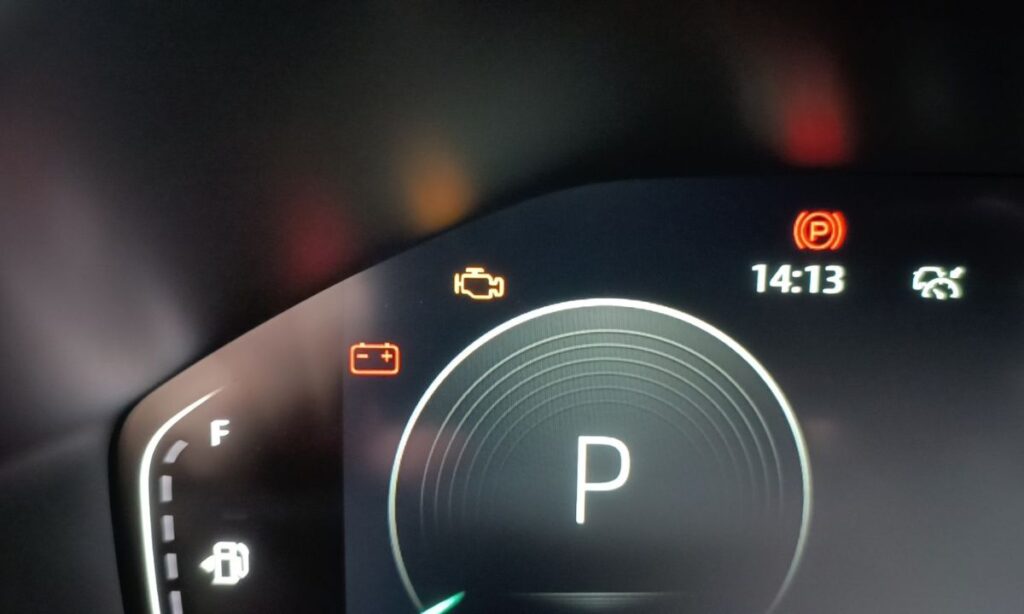
The Check Engine light on Changan vehicles is a warning you should never ignore, as it alerts you to issues in the engine or related systems. Many owners of the CS35, CS55 Plus, UNI-K, or UNI-V see this indicator appear suddenly after refueling or around 10–20 thousand kilometers. Proper diagnostics allow you to quickly identify the cause and avoid expensive repairs. In most cases the problem can be solved without replacing major components if you act promptly. This guide brings together proven causes, common error codes, and practical fixes tailored for Changan models.
Why the Check Engine light comes on in Changan
The Check Engine indicator is triggered by the engine control unit when it detects deviations from normal operation. On Changan cars with both turbocharged and naturally aspirated engines, it is most often linked to the fuel system, ignition, or exhaust. The lamp may stay on steadily or flash. Flashing signals serious misfires, where unburned fuel can damage the catalytic converter.
Steady illumination usually points to less critical but still important issues. Ignoring the light leads to higher fuel consumption, power loss, and risk of failure of expensive parts.
Main causes of Check Engine activation
- Loose fuel tank cap. The most common and simplest reason. The EVAP system detects pressure loss and turns on the light. Tighten the cap until it clicks.
- Poor quality fuel. Low-octane gasoline or additives disrupt lambda sensors and injectors. Symptoms include jerking and increased consumption.
- Ignition system problems. Worn spark plugs, coils, or high-voltage wires cause misfires. On the CS55 Plus and UNI-K this often results in engine rough running.
- Faulty sensors. Lambda sensors, mass air flow sensor, or camshaft position sensors frequently fail. The UNI-V is known for issues with variable valve timing mechanisms.
- Catalytic converter contamination or damage. Code P0420 is very common. Efficiency drops due to oil burning or bad fuel.
- Air leaks or fuel system issues. Cracked hoses, dirty injectors, or a weak fuel pump lead to lean mixture.
- Low oil level or overheating. Although not always triggering the light, the ECU reacts to critical parameters.
Common error codes on Changan and their meaning
OBD-II scanner diagnostics provide the exact code. Here are the most frequent ones for Changan models:
- P0300–P0304 — random or cylinder-specific misfires. Causes: spark plugs, coils, injectors. Engine shakes and loses power.
- P0171 / P0172 — too lean or too rich mixture. Air leaks, dirty MAF sensor, or fuel delivery problems.
- P0420 — low catalytic converter efficiency. Often requires inspection or replacement of the catalyst.
- P0442 / P0455 — EVAP system leaks. Usually the tank cap or hoses.
- P0011 / P0012 — variable valve timing issues. Typical for turbo engines in UNI-K and UNI-V.
- P0500 — vehicle speed sensor malfunction. Affects transmission and dynamics.
Additional widespread error codes:
- P0001 — fuel pressure regulator circuit open. Often due to poor connector contact.
- P0008 — engine position system performance error (timing chain/belt).
- P0015 — camshaft position timing over-retarded.
- P0021 — intake camshaft position timing over-advanced.
- P0030 — heated oxygen sensor heater circuit malfunction.
- P0033 — turbocharger bypass valve control circuit issue.
- P0049 — turbocharger turbine overspeed.
- P0071 — ambient air temperature sensor range/performance problem.
- P009F — fuel pressure relief valve performance.
- P2727 — pressure control solenoid valve control circuit open (transmission).
The scanner also shows freeze frame data — engine parameters at the moment the error was recorded. This information greatly simplifies diagnosis.
How to fix the problems
Start with the easiest steps. After fixing the cause, clear the code with a scanner. The light may not go off immediately and sometimes requires 30–50 kilometers of driving.
Simple actions anyone can do:
- Check and tighten the fuel tank cap.
- Fill up with high-quality gasoline at a trusted station and drive 50–100 kilometers.
- Inspect sensor wiring and connectors for moisture and oxidation.
- Replace spark plugs preventively every 15–20 thousand kilometers.
More complex cases:
- Clean the throttle body and use MAF sensor cleaner.
- Test lambda sensors with a multimeter or replace them if faulty.
- For P0420, inspect the exhaust system. Sometimes an ECU software update helps.
- On UNI models with VVT or turbo issues, perform thorough diagnostics and use quality engine oil.
- For turbo-related codes (P0033, P0049), check the wastegate actuator and vacuum lines.
If the Check Engine light is flashing, stop immediately and call a tow truck — the risk of catalytic converter damage is high.
Recommendations for Changan owners
Perform computer diagnostics every 10 thousand kilometers, especially on the CS35, CS55 Plus, UNI-K, and UNI-V. Always use quality fuel and engine oil that meet manufacturer specifications. Monitor fluid levels and the condition of filters. At the first signs of trouble (jerking, increased consumption, or loss of power) do not delay a visit to a service center with a good diagnostic tool. Timely action preserves engine life and saves money in the long run. A professional approach and attention to details let you enjoy the reliability of your Changan without unexpected surprises.