
Check Engine Light on Mazda: Causes, Error Code Decoding, and How to Fix It
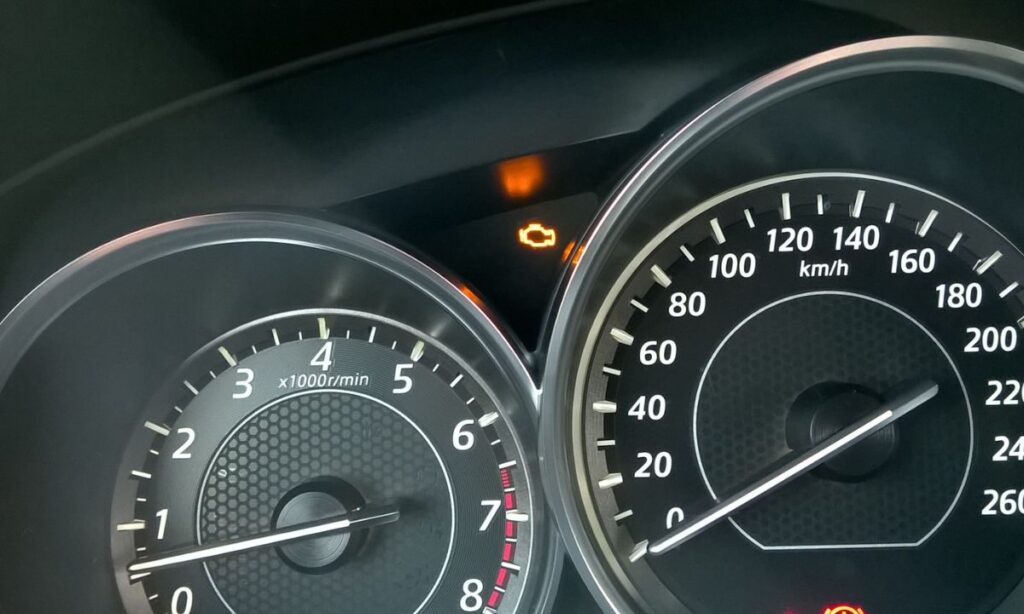
The check engine light on your Mazda just came on — this is a warning that often appears for owners of these dynamic and reliable Japanese cars. Models such as Mazda 3, 6, CX-5, CX-9, CX-30, and MX-5 are known for excellent handling and efficient Skyactiv engines, but even they can signal problems from time to time. A prompt response helps maintain lively performance, low fuel consumption, and long engine life. Many issues can be resolved with simple actions, while others require careful diagnostics. In this detailed guide, we’ll explore why the check engine light activates, the most common errors, and how to fix them effectively.
Why the Check Engine Light Comes On in a Mazda
The electronic control unit in Mazda vehicles carefully monitors the Skyactiv engine and activates the Check Engine light when it detects any deviations from normal operation. On these cars, the warning is most often related to the fuel system, ignition, sensors, or exhaust system. CX-5 and Mazda 6 models are sensitive to fuel quality and spark plug condition, while CX-9 and CX-30 are more prone to catalytic converter issues at higher mileage. Sometimes simply tightening the gas cap is enough to turn the light off. In other cases, a full OBD2 diagnostic scan is needed.
Common Causes of Check Engine Light on Mazda
- Poor fuel quality disrupting optimal air-fuel mixture.
- Worn spark plugs or faulty ignition coils.
- Malfunctioning oxygen sensors affecting exhaust control.
- Clogged catalytic converter.
- Loose gas cap.
- Dirty mass airflow sensor.
- Issues in the EVAP fuel vapor recovery system.
- Problems with the throttle body or EGR valve.
- Worn fuel injectors or fuel pump.
Popular Mazda Models and Their Typical Check Engine Issues
Mazda 3 and Mazda 6 most commonly show errors related to spark plugs and oxygen sensors during city driving. CX-5 and CX-30 are sensitive to the catalytic converter and EVAP system. The more powerful CX-9 often faces EGR and sensor problems at higher mileage. The MX-5 stands out for its reliability but still requires attention to the ignition system during spirited driving. Regular maintenance on these models helps prevent unexpected warning light activation.
Decoding 20 Common Error Codes on Mazda
Here is a list of the most frequent diagnostic trouble codes found on Mazda vehicles, along with typical causes and repair methods:
- P0300 — Random/multiple cylinder misfire detected. Causes: spark plugs, ignition coils. Fix: replace spark plugs and check wiring.
- P0420 — Catalyst system efficiency below threshold (Bank 1). Causes: clogged catalytic converter. Fix: diagnose and replace if necessary.
- P0171 — System too lean (Bank 1). Causes: air leaks, dirty MAF sensor. Fix: inspect hoses and clean the sensor.
- P0442 — Small leak detected in EVAP system. Causes: damaged hoses. Fix: inspect and replace parts.
- P0455 — Large leak detected in EVAP system. Causes: loose gas cap. Fix: tighten the gas cap securely.
- P0128 — Coolant temperature below regulating temperature. Causes: faulty thermostat. Fix: replace the thermostat.
- P0135 — Oxygen sensor heater circuit malfunction (Bank 1, Sensor 1). Causes: wiring break. Fix: check and replace the sensor.
- P0401 — Exhaust gas recirculation flow insufficient. Causes: clogged valve. Fix: clean or replace the valve.
- P0507 — Idle RPM higher than expected. Causes: dirty throttle body. Fix: clean the throttle body.
- P0101 — Mass airflow sensor circuit range/performance problem. Causes: contamination. Fix: clean or replace the sensor.
- P0113 — Intake air temperature sensor high input. Causes: damaged wiring. Fix: repair connections.
- P0201 — Injector circuit malfunction (Cylinder 1). Causes: open or short circuit. Fix: diagnose the injectors.
- P0301 — Cylinder 1 misfire detected. Causes: spark plug or coil failure. Fix: replace ignition components.
- P0430 — Catalyst system efficiency below threshold (Bank 2). Fix: inspect and replace the converter.
- P0446 — EVAP vent control circuit malfunction. Causes: faulty purge valve. Fix: replace the valve.
- P0700 — Transmission control system malfunction. Causes: automatic transmission issues. Fix: perform transmission diagnostics.
- P0138 — Oxygen sensor circuit high voltage (Bank 1, Sensor 2). Fix: replace the oxygen sensor.
- P0340 — Camshaft position sensor circuit malfunction. Fix: check and replace the sensor.
- P0403 — EGR control circuit malfunction. Fix: diagnose electrical wiring.
- P0562 — System voltage low. Causes: weak battery or alternator. Fix: check the charging system.
How to Fix Check Engine Light Issues on Mazda
Start by connecting an OBD2 scanner and reading the stored error codes. On Mazda CX-5 and Mazda 3 models, many problems are solved by replacing spark plugs or cleaning the throttle body. For EVAP-related codes, always check the gas cap first. If the check engine light is flashing, stop driving immediately to avoid damaging the catalytic converter. Regular filter replacement and the use of high-quality fuel significantly reduce the risk of the warning light appearing.
Maintenance Recommendations for Mazda Vehicles
Follow the manufacturer’s recommended service intervals, monitor fluid levels, and regularly inspect wiring. On CX-5 and CX-30 crossovers, periodic cleaning of the EGR valve and throttle body is highly recommended. Do not delay diagnosis when the check engine light comes on — early intervention preserves the life of the Skyactiv engine and extends the vehicle’s overall longevity. Proper care ensures continued driving pleasure with your Mazda in any conditions.