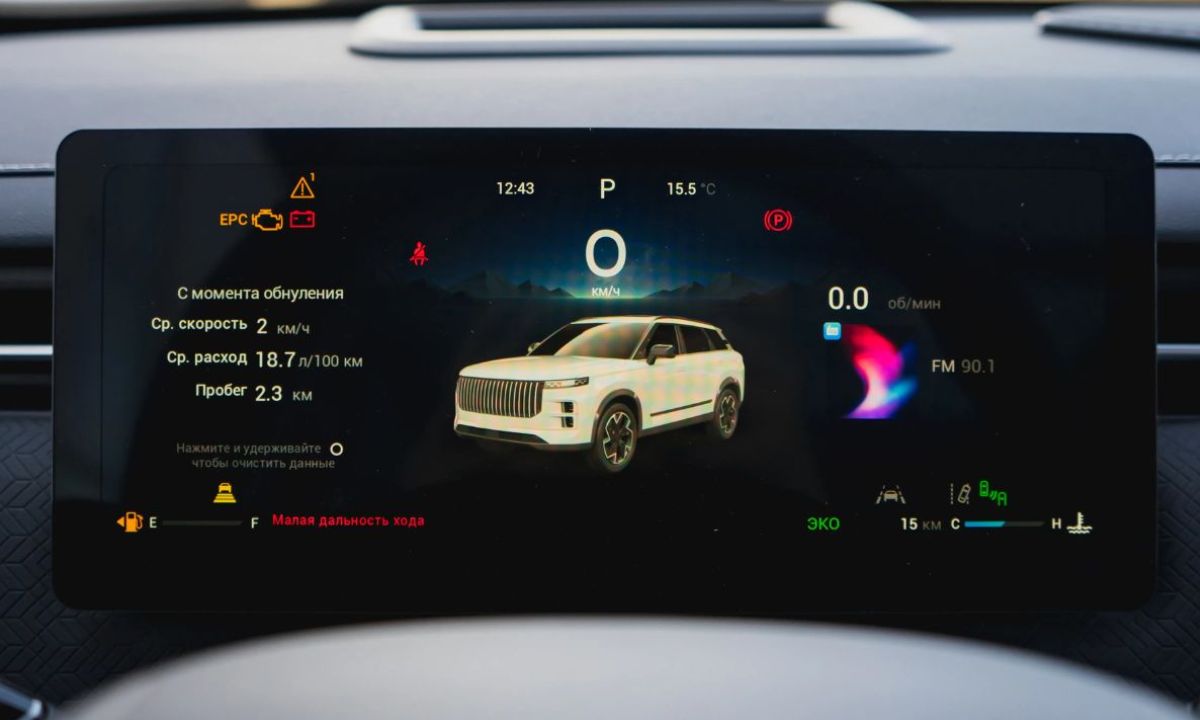
Jaecoo Coolant Type: What the Manual Specifies and What to Avoid
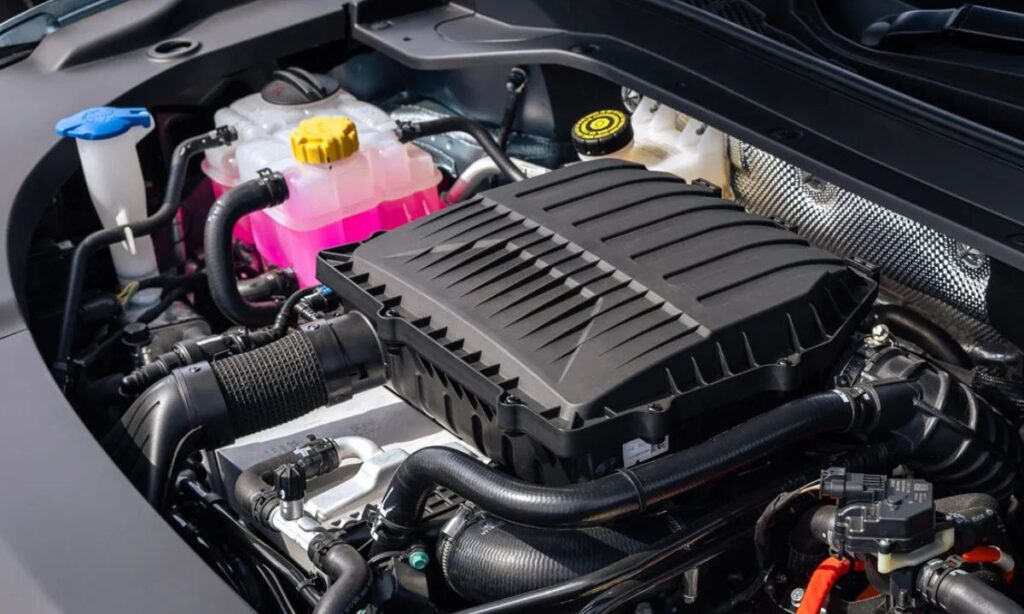
Jaecoo is a Chery sub-brand, and the J7 and J8 share their engine and cooling system architecture with Chery models. This matters for coolant selection: the specification follows Chery’s approach rather than a unique Jaecoo standard. Using the wrong coolant type — particularly a silicate-based green IAT coolant — causes corrosion in the aluminium components of these engines that does not show up until a leak or overheating event reveals the damage.
Required Coolant Type
All Jaecoo petrol models use ethylene glycol-based OAT (Organic Acid Technology) coolant. The owner’s manual for the J7 PHEV specifies that only coolant with antifreeze function approved by Jaecoo/Chery should be used, with the caution that mixing different coolant types is prohibited.
In practical terms, this means:
- OAT ethylene glycol coolant — phosphate-free, silicate-free, nitrite-free. The same type used across modern Chery vehicles.
- Pre-mixed 50/50 or concentrate — both are acceptable; if using concentrate, always mix with distilled water, not tap water.
- Do not use IAT (Inorganic Additive Technology) coolant — the common green or blue generic coolants available at most petrol stations. These contain silicates that are incompatible with the aluminium alloy components in Jaecoo engines.
- Do not mix coolant types — if existing coolant colour or type is unclear, flush the system before refilling.
For the J7 1.6T petrol engine, Ravenol’s vehicle-specific data lists OAT Organic Technology Coolant as the correct product, confirming the OAT specification from the manufacturer documentation.
Capacity by Variant
- J7 1.6T petrol (FWD and AWD) — approximately 6.0–6.5 litres including the heater core circuit
- J7 PHEV (SHS-P) — two separate cooling circuits: petrol engine circuit approximately 5.5 litres, electric motor/inverter cooling circuit approximately 3.0–3.5 litres. Both circuits use OAT coolant. Do not mix the circuits — they use separate reservoirs and filler points.
- J8 2.0T petrol — approximately 7.0–7.5 litres
PHEV Cooling System — Two Circuits
The J7 PHEV has a dedicated cooling loop for the electric drive system — the motor, inverter, and high-voltage battery thermal management all share a separate circuit from the petrol engine. Both circuits require OAT coolant of the same specification. The electric drive circuit runs at lower temperatures than the combustion engine circuit and has a separate reservoir, typically located near the high-voltage battery housing.
Mixing up the two filler points — adding coolant to the electric drive circuit reservoir instead of the engine reservoir, or vice versa — does not cause immediate damage but dilutes the correct fill level in each circuit and triggers low coolant warnings. Check both reservoirs independently.
Mixing Ratio and Change Intervals
The recommended pre-mix ratio is 50/50 antifreeze concentrate to distilled water, providing freeze protection to approximately −35°C. In markets like South Africa, Malaysia, and the Middle East where sub-zero temperatures are uncommon, a 40/60 ratio is sometimes used to improve heat transfer efficiency slightly, but this reduces corrosion inhibitor concentration and is not the factory recommendation.
Change intervals for Jaecoo models follow Chery’s standard:
- Petrol engine circuit — every 4 years or 80,000 km, whichever comes first
- Electric drive circuit (PHEV) — same interval, serviced at the same time as the engine circuit
If the coolant in the reservoir appears brown, has a film on the surface, or shows sediment, replace it immediately regardless of the interval. Brown coolant in a relatively new vehicle indicates either an incompatible fluid having been added previously, or early signs of internal corrosion that need to be addressed before causing pump or gasket damage.