
Check Engine Light on Haval: Causes, Error Decoding, and Elimination Methods
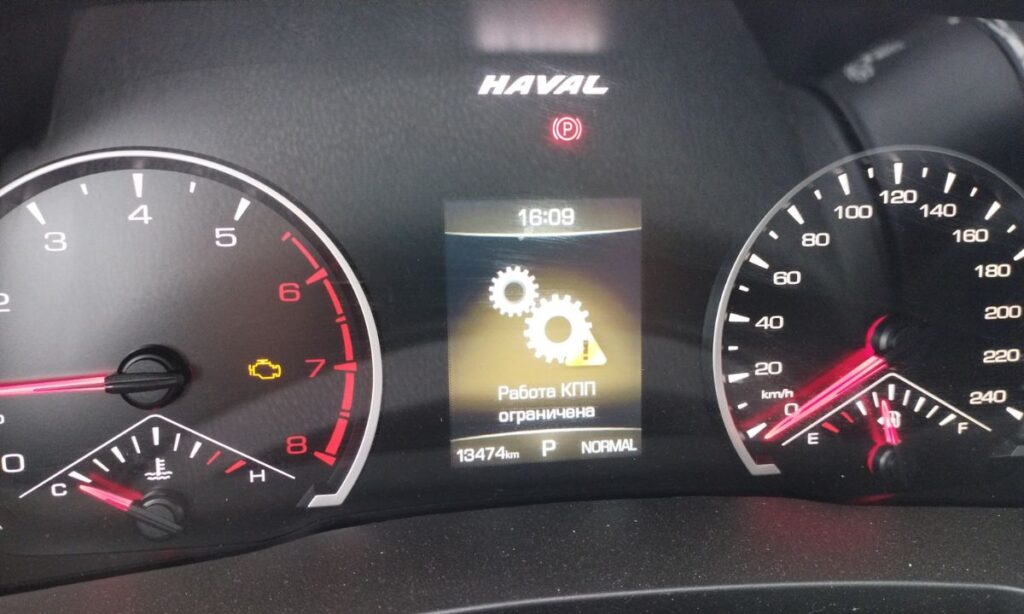
The Check Engine light on Haval vehicles often appears suddenly and causes concern for many owners. This indicator signals malfunctions in the engine or related systems, ranging from minor issues to serious problems. Timely diagnostics help avoid expensive repairs and maintain the car’s performance. In this article, we examine common causes, specific error codes, and proven ways to fix them. Understanding these details will help you act confidently when the warning light comes on.
What Does the Check Engine Light Mean and Why It Activates on Haval
The Check Engine indicator is triggered by the electronic control unit when it detects deviations from normal operation. On Haval models such as Jolion, H6, Dargo, or F7, this can happen due to fuel quality, sensor issues, or exhaust system problems. The light may stay on steadily or flash — in the flashing case, the problem requires urgent attention. Ignoring the signal can lead to power loss, increased fuel consumption, and even engine damage. It is best to read the codes with a scanner immediately and analyze the symptoms.
Main Causes of Check Engine Light Activation on Haval Vehicles
The self-diagnostic system in Haval reacts to many factors. Problems are often related to fuel, ignition, or sensors. Here are the key reasons:
- Poor-quality fuel after refueling.
- Faulty spark plugs or ignition coils.
- Issues with oxygen sensors.
- Contamination of the throttle body or fuel injectors.
- Malfunction of the catalytic converter.
- Air leaks in the intake system.
- Problems with the fuel pump or fuel filter.
- Malfunctions in the turbocharger system.
These factors are typical for both petrol and diesel Haval versions. Regular maintenance significantly reduces the risk of errors.
Decoding Popular Check Engine Errors on Haval
Diagnostics using an OBD scanner displays specific codes. Here are the most common ones with descriptions and elimination methods:
- P0171 — Too lean fuel mixture. Causes: air leak, dirty mass air flow sensor, or weak fuel pump. Solution: check hoses, clean the sensor, replace the filter.
- P0300 — Random misfires. Occurs due to spark plugs, coils, or wiring. Fix: replace the ignition set and check compression.
- P0420 — Low efficiency of the catalytic converter. Often caused by wear or poor fuel. Actions: exhaust system diagnostics and replacement if necessary.
- P0130 — Malfunction of the first oxygen sensor. Symptoms: loss of dynamics and higher fuel consumption. Solution: replace the sensor and check wiring.
- P0037 — Issue with the heating of the second oxygen sensor. Causes: circuit break or corrosion. Fix: check connectors and replace the sensor.
- P2229 — Incorrect data from the boost pressure sensor. May trigger during sudden weather changes. Actions: system reset or sensor replacement.
- P0101 — Mass air flow sensor error. Contamination or failure leads to unstable operation. Solution: clean with a special cleaner or replace.
- P0113 — High readings from the intake air temperature sensor. Causes: faulty sensor or wiring. Fix: replace the element.
- P0128 — Problem with the cooling system thermostat. The engine does not reach operating temperature. Actions: replace the thermostat.
- P0441 — Incorrect purge of the evaporative emission control system. Often due to the EVAP valve. Solution: check and replace the valve.
- P0455 — Large leak in the EVAP system. Causes: damaged hose or gas cap. Fix: inspection and replacement of parts.
- P0507 — High idle speed. Caused by a dirty throttle body. Actions: clean the throttle.
- P0299 — Insufficient turbo boost pressure. Issues with the turbine or vacuum hoses. Solution: turbo diagnostics and replacement of worn parts.
- P0301-P0304 — Misfires in a specific cylinder. Usually spark plugs or coil. Fix: replace on the affected cylinder.
- P0401 — Insufficient flow in the EGR system. Contamination of the recirculation valve. Actions: clean or replace the EGR.
- P0011 — Incorrect camshaft position. Problems with the variable valve timing system. Solution: check oil and replace the solenoid.
- P0135 — Malfunction of the first oxygen sensor heater. Fix: replace the sensor.
- P0340 — Camshaft position sensor error. Affects ignition. Actions: replace the sensor.
- P0363 — Misfires with fuel cut-off. A serious signal. Solution: full ignition system diagnostics.
- P0562 — Low voltage in the on-board network. Problems with the alternator or battery. Fix: check the electrical system.
These codes help accurately identify the problem on popular Haval models.
How to Diagnose and Fix Check Engine Yourself
First, check simple things: make sure the gas cap is tightly closed and inspect the wires under the hood. Use a diagnostic scanner to read the codes. After repairs, clear the errors with the scanner or by disconnecting the battery terminal for 10-15 minutes. Regularly replace spark plugs, filters, and oil according to the maintenance schedule. If the light is flashing and the car has lost power, stop immediately and call a tow truck.
Recommendations for Preventing Check Engine Errors on Haval
To reduce the frequency of Check Engine activation, refuel at trusted stations and use the recommended fuel grade. Perform computer diagnostics every 10,000 kilometers. Monitor the condition of the air and fuel filters, and service the turbocharger on powerful versions in a timely manner. At the first symptoms — vibrations, loss of traction, or changes in consumption — do not delay a visit to the service. This approach preserves the engine’s resource and ensures comfortable operation of your Haval.