
Check Engine Light on Opel: Causes, Error Codes and How to Fix It
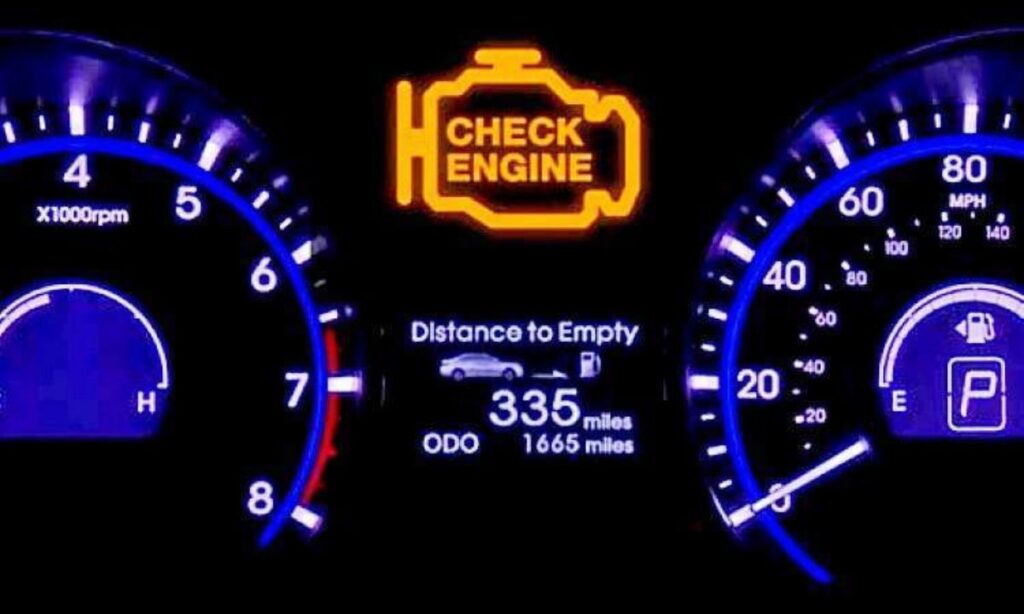
The check engine light on your Opel suddenly lights up — this familiar warning can cause immediate concern for any owner. In many cases the issue is minor and can be resolved quickly, but ignoring it risks more expensive repairs and reduced performance. Opel vehicles, known for their practical design and reliable engines, use modern engine management systems that monitor dozens of parameters. Timely diagnosis helps maintain smooth operation, good fuel economy, and the overall longevity of your car. In this comprehensive guide we explore the most common causes, decode around 20 frequent error codes, and provide practical steps to diagnose and fix the problem.
Why the Check Engine Light Comes On in Opel
The check engine light (MIL) activates when the engine control unit detects a fault or deviation in the monitored systems. Opel cars, including those developed under PSA and GM eras, have well-engineered but sometimes sensitive electronics, so the light can trigger due to both simple maintenance items and more complex component failures.
This problem is especially common on the following popular models:
- Astra (J, K, L generations)
- Corsa (D, E, F)
- Insignia (A, B)
- Zafira (B, C, Tourer)
- Mokka / Mokka X and Crossland
Main groups of causes include:
- Ignition and fuel system malfunctions
- Faulty sensors (oxygen, mass air flow, crankshaft and camshaft position)
- Catalytic converter and EGR system issues
- Vacuum leaks and intake air problems
- Turbocharger and boost pressure faults (on turbo petrol and diesel engines)
- Electrical issues (wiring, connectors, battery, alternator)
Most Common Error Codes and Their Meaning
Here are approximately 20 of the most frequent diagnostic trouble codes that trigger the check engine light on Opel vehicles:
- P0171 / P0172 — Fuel mixture too lean or too rich. Often caused by vacuum leaks or faulty oxygen sensors.
- P0300 / P0301–P0304 — Random or cylinder-specific misfires. Common reasons: spark plugs, ignition coils, or fuel injectors.
- P0420 — Catalyst system efficiency below threshold.
- P0101 / P0102 — Mass air flow (MAF) sensor performance or circuit issues.
- P0130–P0135 — Oxygen sensor circuit malfunctions (Bank 1).
- P0401 / P0402 — Exhaust gas recirculation (EGR) flow insufficient or excessive.
- P0507 — Idle control system RPM higher than expected.
- P0299 — Turbocharger underboost condition (common on 1.4 Turbo and diesel models).
- P0011 / P0014 — Camshaft position timing over-advanced or over-retarded.
- P0128 — Coolant thermostat temperature below regulating temperature.
- P0442 / P0455 — Evaporative emission control system leak detected.
- P0520–P0524 — Engine oil pressure sensor circuit problems.
- P0700 — Transmission control system malfunction (often appears together with engine codes).
- P2270 / P2271 — Oxygen sensor signal stuck lean or rich (Bank 1 Sensor 2).
- P0030–P0032 — Heated oxygen sensor heater circuit issues.
- P0340 / P0341 — Camshaft position sensor circuit malfunction.
- P0365 — Camshaft position sensor circuit (Bank 2).
- P0650 — Malfunction indicator lamp (MIL) control circuit.
- P1101 — Intake air flow or manifold issues.
- P2002 — Diesel particulate filter efficiency below threshold (on CDTI diesel engines).
Many of these faults can be fixed without replacing expensive parts when properly diagnosed.
How to Diagnose and Fix the Problem
Professional-level diagnosis is the essential first step. Use a reliable OBD2 scanner capable of reading manufacturer-specific codes. For Opel, tools with full support for GM or PSA protocols deliver the most accurate data.
Simple fixes that often solve the check engine light:
- Replace spark plugs and ignition coils — especially after 60,000–80,000 km.
- Clean the mass air flow sensor with a dedicated MAF cleaner.
- Inspect and repair vacuum leaks on intake hoses, PCV valves, and gaskets.
- Replace oxygen sensors (start with the pre-catalytic converter sensor).
- Clean or replace the EGR valve, which is a frequent issue on both petrol and diesel engines.
- Check engine oil level and condition — low oil pressure often triggers warnings.
- Examine wiring harnesses and connectors in the engine bay for corrosion or rodent damage.
On Astra and Insignia models with 1.4 Turbo and 1.6 engines, common problems include timing chain stretch and carbon buildup. Diesel CDTI engines (1.3, 1.6, 2.0) frequently suffer from EGR valve clogging and diesel particulate filter restrictions. Newer models with PSA engines may show specific injector or AdBlue system faults.
When you should visit a service center:
- If the check engine light is flashing — this indicates severe misfires that can quickly damage the catalytic converter.
- When you notice loss of power, rough idling, unusual smoke, or significantly increased fuel consumption.
- If the error code returns shortly after clearing.
Regular maintenance remains the best prevention. Always use high-quality fuel, replace air, fuel, and cabin filters on schedule, monitor fluid levels, and service the car according to the manufacturer’s recommendations.
Many Opel owners successfully resolve check engine light issues through thorough cleaning, timely sensor replacement, and preventive maintenance rather than costly component replacements. A systematic approach keeps your Opel reliable, economical, and enjoyable to drive for many years and hundreds of thousands of kilometers.