
Check Engine Light Came On in JAC: Causes, Error Decoding, and Elimination Methods
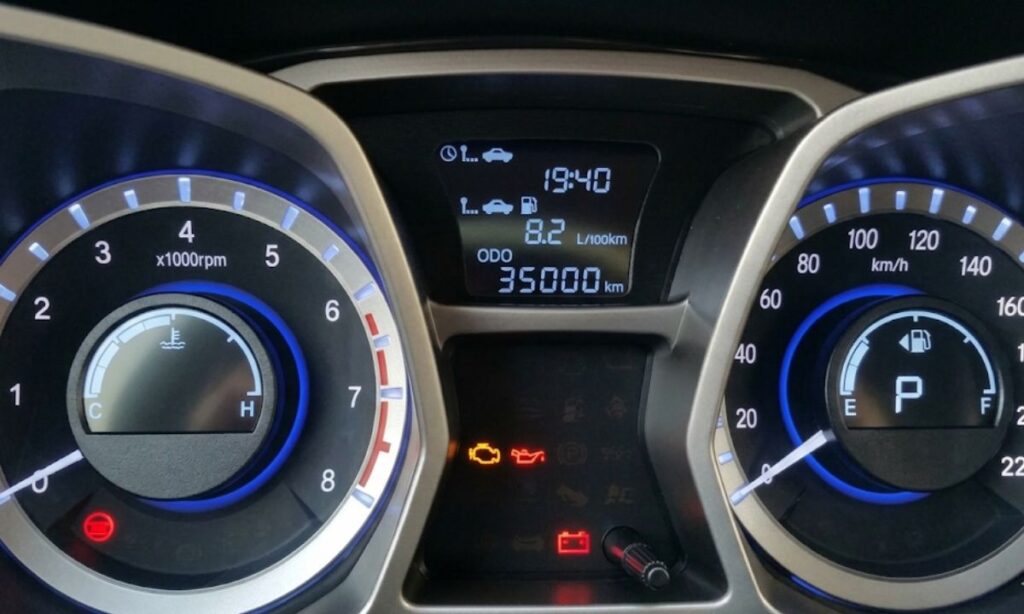
The Check Engine light on JAC vehicles can appear unexpectedly and raise questions for owners. This indicator warns about malfunctions in the engine or related systems — from minor deviations to more serious issues. Timely diagnostics help avoid expensive repairs and maintain reliable vehicle operation. This article provides a detailed review of typical causes, specific error codes, and proven ways to fix them. This knowledge will help you act competently when the warning signal appears on your JAC.
What Does the Check Engine Light Mean and Why It Activates on JAC
The Check Engine indicator is triggered by the electronic control unit when it detects deviations from normal parameters. On popular JAC models such as JS6, T8, T9, S7, Hunter, or E10X, this often occurs due to fuel quality, sensor performance, or features of Chinese engines. The light may stay on steadily or flash — flashing indicates a serious problem that requires immediate attention. Ignoring the signal can lead to power loss, increased fuel consumption, and engine damage. It is recommended to read the codes with a diagnostic scanner immediately and assess any additional symptoms.
Main Causes of Check Engine Light on JAC Vehicles
The JAC diagnostic system is sensitive to operating conditions. Most errors occur in the fuel, ignition, and electronic systems. The main causes include:
- Low-quality fuel after refueling.
- Wear of spark plugs or ignition coils.
- Malfunctions of oxygen sensors.
- Contamination of the throttle body and fuel injectors.
- Issues with the catalytic converter.
- Air leaks in the intake system.
- Malfunctions of the fuel pump or fuel filter.
- Failures in the turbocharger system on boosted engines.
- Problems with wiring and connectors.
These faults are typical for both petrol and diesel JAC versions. Regular maintenance helps significantly reduce the risk of error activation.
Decoding Common Check Engine Errors on JAC
Using an OBD scanner, you can obtain precise codes. Here are the most frequent errors with descriptions and recommendations for elimination:
- P0171 — Lean fuel mixture. Causes: air leak, dirty MAF sensor. Solution: check hoses, clean the sensor, replace the filter.
- P0300 — Random misfires. Occurs due to spark plugs and coils. Fix: replace the ignition set.
- P0420 — Low catalytic converter efficiency. Often caused by poor fuel. Actions: exhaust system diagnostics.
- P0130 — Malfunction of the first oxygen sensor. Symptoms: loss of dynamics. Solution: replace the sensor.
- P0037 — Problem with the heating of the second oxygen sensor. Solution: check and replace.
- P0101 — Mass air flow sensor error. Solution: clean or replace.
- P0113 — High readings from the intake air temperature sensor. Solution: replace the sensor.
- P0128 — Thermostat malfunction. Actions: replace the thermostat.
- P0441 — Incorrect purge of the EVAP system. Solution: check the valve.
- P0455 — Large leak in the EVAP system. Solution: inspect the gas cap and hoses.
- P0507 — High idle speed. Cause: dirty throttle body. Actions: clean the throttle.
- P0299 — Insufficient turbo boost pressure. Solution: turbo system diagnostics.
- P0301-P0304 — Misfires in specific cylinders. Solution: replace spark plugs or coils.
- P0401 — Insufficient EGR system flow. Actions: clean the valve.
- P0011 — Incorrect camshaft position. Solution: check oil and replace the solenoid.
- P0135 — Malfunction of the first lambda sensor heater. Solution: replace the sensor.
- P0340 — Camshaft position sensor error. Actions: replace the sensor.
- P0363 — Misfires with fuel cut-off. Requires full diagnostics.
- P0562 — Low voltage in the on-board network. Solution: check the alternator.
- P2270 — Low signal from the second oxygen sensor. Solution: cleaning or replacement.
These codes help quickly identify the problem on most JAC models.
How to Diagnose and Fix Check Engine Yourself
Start with simple actions: tighten the fuel tank cap securely and inspect the wires under the hood. Connect an OBD scanner to read the codes. After repairs, clear the errors with the scanner or by disconnecting the battery for 10–15 minutes. Regularly replace spark plugs, air filter, and fuel filter according to the maintenance schedule. If the light is flashing and the car has lost traction — stop immediately and contact a service center.
Recommendations for Preventing Check Engine Errors on JAC
To reduce how often the indicator lights up, refuel at trusted stations and use fuel with the recommended octane rating. Perform computer diagnostics every 10,000 kilometers. Monitor the condition of filters and service the turbocharger in a timely manner. At the first signs of issues (vibration, power loss, or increased consumption), do not delay a visit to the service station. This approach extends the engine’s resource and ensures reliable operation of your JAC.