
Check engine light came on in Exeed: error codes decoding, and fix methods
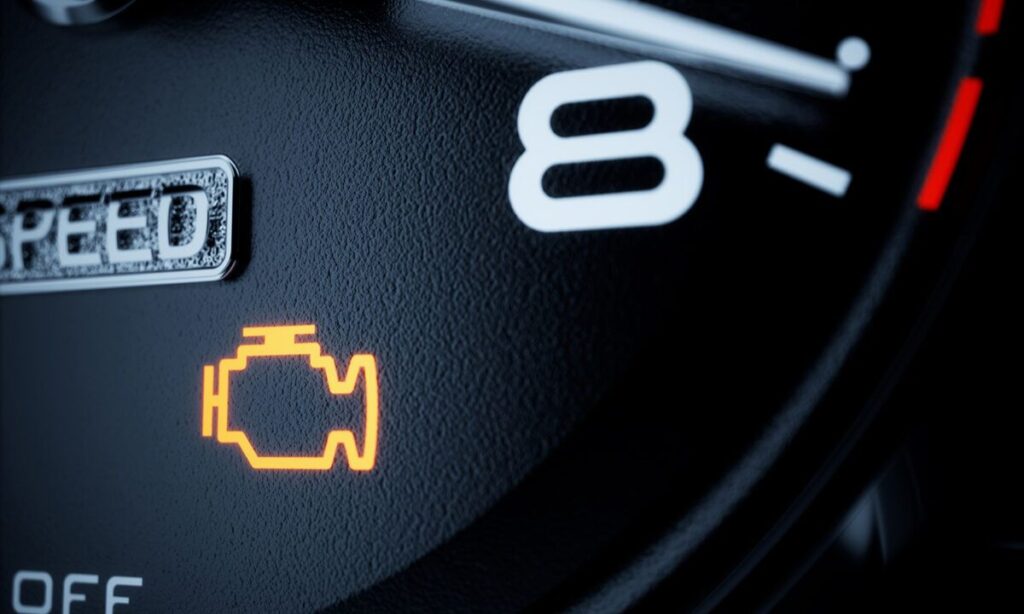
Many Exeed owners suddenly notice the Check Engine indicator lighting up while driving or right after starting the engine. This signal from the electronic control unit indicates a malfunction in the engine, fuel system, or exhaust. There is no need to panic immediately — in most cases the cause is common and can be resolved quickly without major costs. Proper diagnostics help prevent extra fuel consumption, loss of power, and more serious breakdowns. Let’s break down why the Check Engine light comes on in Exeed vehicles, how to read the error codes, and what to do for a fast fix.
What the check engine indicator means
The Check Engine indicator activates when the control unit detects a deviation in parameters of one of the vehicle’s systems. On Exeed models the light often triggers due to the sensitivity of the electronics and sensors. Constant illumination puts the engine into limp mode with limited rpm and power. Flashing of the light signals a more serious issue — misfires or risk of overheating. Ignoring the indicator is dangerous because it can lead to failure of key components.
Main causes of check engine light on Exeed
Exeed owners most often encounter several typical situations. Here are the most common causes:
- Poor ground contact of the battery or alternator with the body. Loose bolts, corrosion, or vibration disrupt voltage stability and cause false faults.
- Poor-quality fuel after refueling. Impurities, low octane rating, or water in the tank disrupt the combustion process.
- Malfunction of the oxygen sensor or lambda probe. The sensor sends incorrect data about exhaust composition.
- Problems with the catalytic converter. Contamination or wear reduces its efficiency.
- Dirty throttle body or malfunction of the accelerator pedal. Dirt, worn contacts, or broken wiring limit power.
- Worn spark plugs or ignition coils. Misfires cause rough engine running.
- Faults in the EVAP fuel vapor recovery system. This includes the gas cap or tank pressure sensor.
- Clogged fuel injectors or weak fuel pump. Fuel delivery is disrupted, affecting dynamics.
- Issues with the mass air flow sensor. Contamination or failure leads to mixture formation errors.
- Wiring problems under the hood. Corroded connectors or chafed wires trigger faults.
These causes are typical for most Exeed models and help narrow down the search quickly.
Self-diagnostics of the fault
To understand the problem accurately you will need an OBD2 diagnostic scanner. Connect it to the port under the steering column, start the engine, and read the error codes. If you do not have a scanner, start with simple checks: make sure the gas cap is tightly closed, inspect visible wiring damage under the hood, and check throttle cleanliness. Examine battery and alternator terminals — loosen bolts, move contacts, and retighten. If the light came on after refueling, drive 20-30 kilometers on good fuel. If the Check Engine light is flashing, it is better to stop and call for assistance to avoid engine damage.
Decoding popular error codes
Error codes show exactly where to look for the fault. Here are 18 of the most frequent codes for Exeed with brief explanations:
- P0420 — Catalyst efficiency below threshold bank 1. Usually related to the catalytic converter itself, lambda probe, or misfires.
- P0451 — EVAP system pressure sensor circuit range or performance. Possible wiring break, short, or faulty tank sensor.
- P2138 — Throttle/pedal position sensor D/E voltage correlation. Problems with the accelerator pedal or its wiring.
- P2106 — Throttle actuator control system — forced limited power. Fault in throttle body or its actuator.
- P0171 — System too lean bank 1. Causes include air leak, dirty mass air flow sensor, or weak pump.
- P0174 — System too lean bank 2. Similar to the previous but for the second bank.
- P0300 — Random/multiple cylinder misfire detected. Often due to spark plugs, coils, or injectors.
- P0301 — Cylinder 1 misfire detected. Problem specifically in the first cylinder.
- P0302 — Cylinder 2 misfire detected. Fault in the second cylinder.
- P0303 — Cylinder 3 misfire detected. Issue in the third cylinder.
- P0304 — Cylinder 4 misfire detected. Malfunction in the fourth cylinder.
- P0130 — O2 sensor circuit malfunction bank 1 sensor 1. Break or short in the first lambda probe circuit.
- P0011 — Camshaft position timing over-advanced. Issues with the variable valve timing actuator or timing chain.
- P0172 — System too rich bank 1. Excess fuel, dirty injectors, or faulty sensor.
- P0401 — Exhaust gas recirculation flow insufficient. Clogged EGR valve.
- P0507 — Idle control system rpm higher than expected. Faulty idle regulator or air leak.
- P0562 — System voltage low. Problems with battery, alternator, or wiring.
- P0606 — Control module processor fault. Failure in the ECU itself or its power supply.
The scanner will display the exact code and description. Write it down before clearing so you do not lose the information.
Effective ways to fix the problems
Fixing depends on the specific cause. For simple cases proceed as follows:
- For poor ground contact — clean terminals and tighten bolts on the battery and alternator.
- After poor-quality fuel — fill with verified gasoline and drive 50-100 kilometers.
- For the lambda probe — check wiring and replace the sensor if necessary.
- For code P0420 — first fix misfires, replace spark plugs and coils, then inspect the catalytic converter.
- Dirty throttle body — remove it, clean with a special cleaner, and reinstall.
- Accelerator pedal issues — clean connectors and contacts; replace the unit if worn.
- Faulty spark plugs and coils — replace the set every 10-15 thousand kilometers.
- EVAP system — tighten the gas cap securely, check hoses and tank pressure sensor.
- For misfires — inspect and replace spark plugs, coils, or injectors.
- For low voltage — check the alternator and battery.
After repair, clear the code with the scanner or by disconnecting the battery terminal for 10-15 minutes. Drive 20-30 kilometers and check whether the light returns.
Prevention recommendations
Regularly check oil level, filter condition, and wiring under the hood. Refuel only at trusted stations and use fuel with the recommended octane rating. Change spark plugs and coils according to schedule and clean the throttle body every 20 thousand kilometers. At the first signs of rough engine operation, perform diagnostics without delay. Following these simple rules will greatly reduce the risk of the Check Engine light coming on and help preserve the service life of your Exeed engine for a long time.